
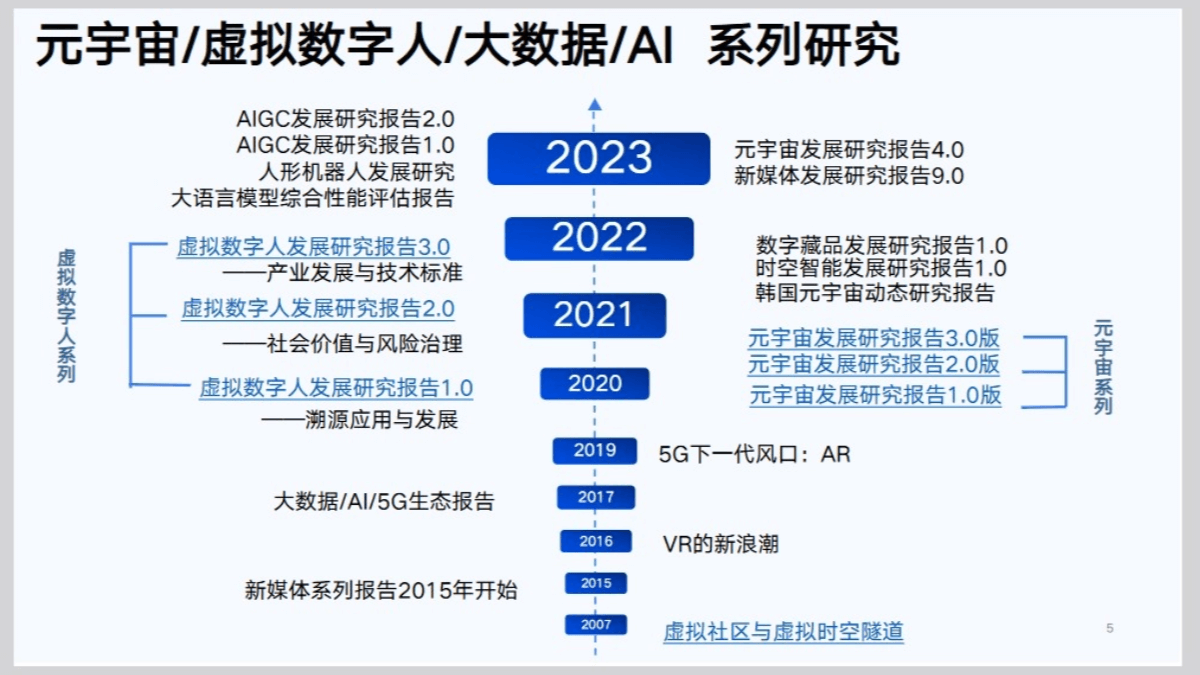
"AIGC Development Research Report 3.0" is jointly released by the New Media Research Center of the School of Journalism and Communication at Tsinghua University and the School of Artificial Intelligence. It focuses on the current development status and future trends of Artificial Intelligence Generated Content (AIGC) technology. Starting from philosophical reflections on AI, the report explores the impact and innovation of AIGC on classical philosophical theories, such as skepticism, intersubjectivity, and the Confucian idea of "trustworthiness." It analyzes the evolution of large models domestically and internationally, including OpenAI'so1model,Grok 2, Llama 3.2, etc., and discusses generation mechanisms, the AI hallucination problem, and the application scenarios of different models. The report also conducts an in-depth study of AIGC applications in generative content creation such as text, images, music, and video, showcasing AI's creative achievements in literature, painting, music, video, and other fields. It proposes challenges and response strategies for AIGC in areas such as copyright, law, and ethics, providing a comprehensive perspective for understanding the multidimensional impact of AIGC technology.


Obtainthe original PDF file of "AIGC Development Research Report 3.0", scan the QR code to follow and reply: 20250304
Research Team and Background
-
Team Introduction: A joint research team from the New Media Research Center of the School of Journalism and Communication at Tsinghua University and the School of Artificial Intelligence, led by Professor Shen Yang, focusing on interdisciplinary research covering journalism and communication, computer science, information management, medicine, and other fields.
-
Research Directions: The metaverse, industrialization of large models, big data, new media and online public opinion, AI diagnosis and treatment, AI literature and art, etc.
AI Philosophy
-
Skepticism and the Nature of Thought: Exploring whether AI's "thinking" challenges Cartesian skepticism.
-
Intersubjectivity and the Experience of the Other: Analyzing whether AI's intersubjectivity is true subjectivity, and a reexamination of the "experience of the other."
-
The Confucian Idea of "Trustworthiness": The impact of AI misinformation on the idea of "trustworthiness" in traditional Confucian thought.
-
Dialogue and Rationality: The challenge posed by AI dialogue patterns to the depth and authenticity of traditional dialogue.
-
Technology and Social Evolution: AIGC's corroboration of Marx's theory of social stages, and its promotion of social forms.
-
Technology and Power Structures: The impact of AI as a "panopticon" on privacy, self-surveillance, and power relations.
-
Unity of Heaven, Humanity, and Intelligence and Harmonious Coexistence: The conceptual shift from the "unity of heaven and humanity" to the "unity of heaven, humanity, and intelligence," emphasizing harmonious coexistence among humans, nature, and technology.
Development of Large Models Domestically and Internationally
-
Base Upgrade and Technological Evolution: Three advances from text generation to video creation, and then to logical reasoning.
-
Generation Mechanism and Corpus Pre-learning: Using "I like eating apples" as an example to analyze the training, reasoning, and generation process of AI models.
-
AI Defects and the Hallucination Problem: Exploring the causes and types of AI hallucinations and their impact on information credibility.
-
OpenAI o1 Model: Its applications and social impact in multiple fields (finance, programming, education, etc.).
-
Fierce Competition Among Large Language Models: Comparing the advantages and disadvantages of six major models including GPT-4o, Apple Intelligence, Grok 2, and Llama 3.2.
-
Three-Way Rivalry Among Large Video Models: Analyze the functional features of video large models such as Runway, Qingying, and Vidu.
-
Music Large Models: "One Superpower and Many Strong Players": The characteristics and application scenarios of music large models such as Suno, Abab-music-1, and Tiangong SkyMusic.
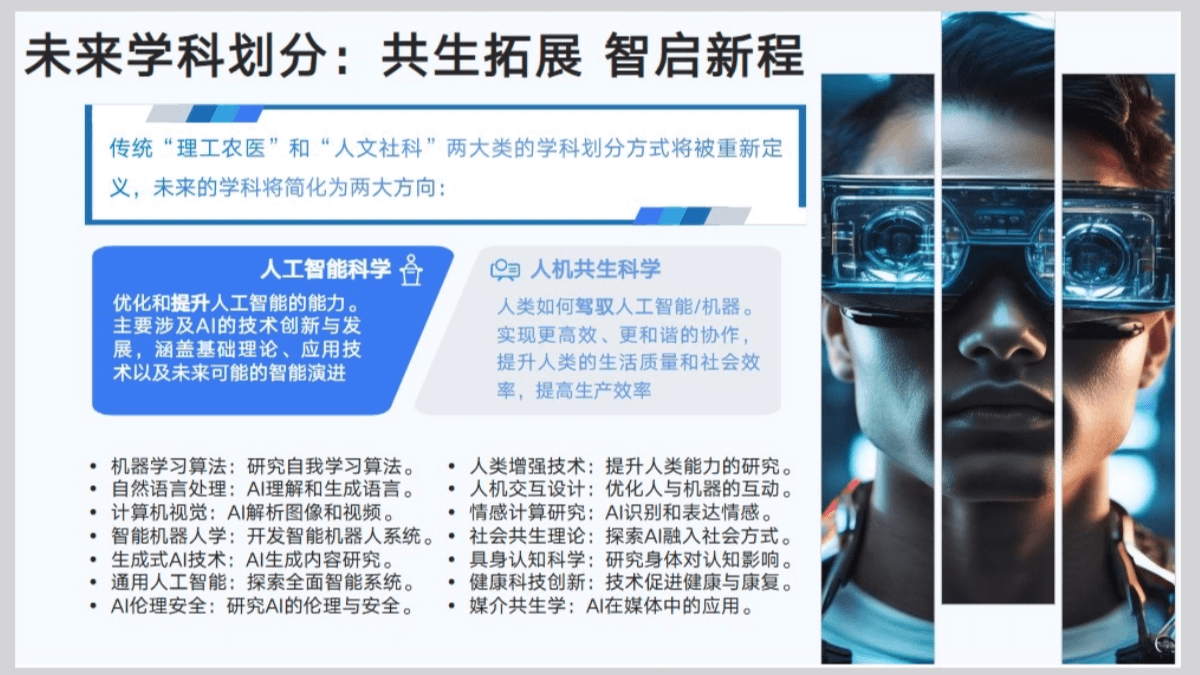
Generative Content Creation: Text, Images, Music, Drama
-
The Turing Test and Intelligence Surpassing: AI breakthroughs in fields such as text, images, music, and video.
-
AI Art Creation: The leap in creativity from "zero-knowledge startup" to "high-knowledge production," and then to "new knowledge creation."
-
AI Art Evaluation System: Grading standards for ordinary works, fine works, excellent works, rare works, and unique works.
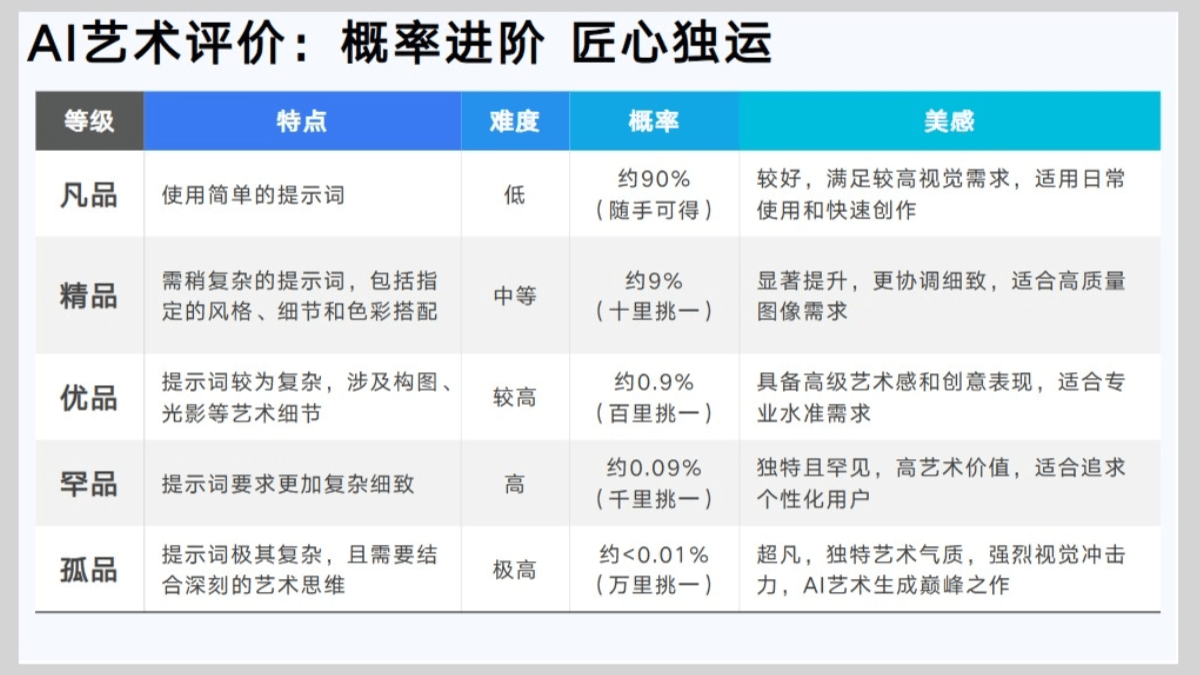
-
Triple Probability and the Creation Process: A creation system of initial generation, interactive screening, and subjective optimization.
-
Three Types of Creation Modes: The characteristics and applications of deterministic, non-deterministic, and hybrid creation.
-
Triadic Separation Model: The differences between AI and human creation in process, emotional expression, and audience perception.
-
AI Literary Creation: Includes generation cases such as AI novels, poetry, and papers.
-
AI Painting and Aesthetic Theory: Explores the essence, aesthetic value, and innovative aesthetic theories of AI painting.
-
AI Music Creation: Innovative types such as high-detail music, emotionally healing music, and state-aware music.
-
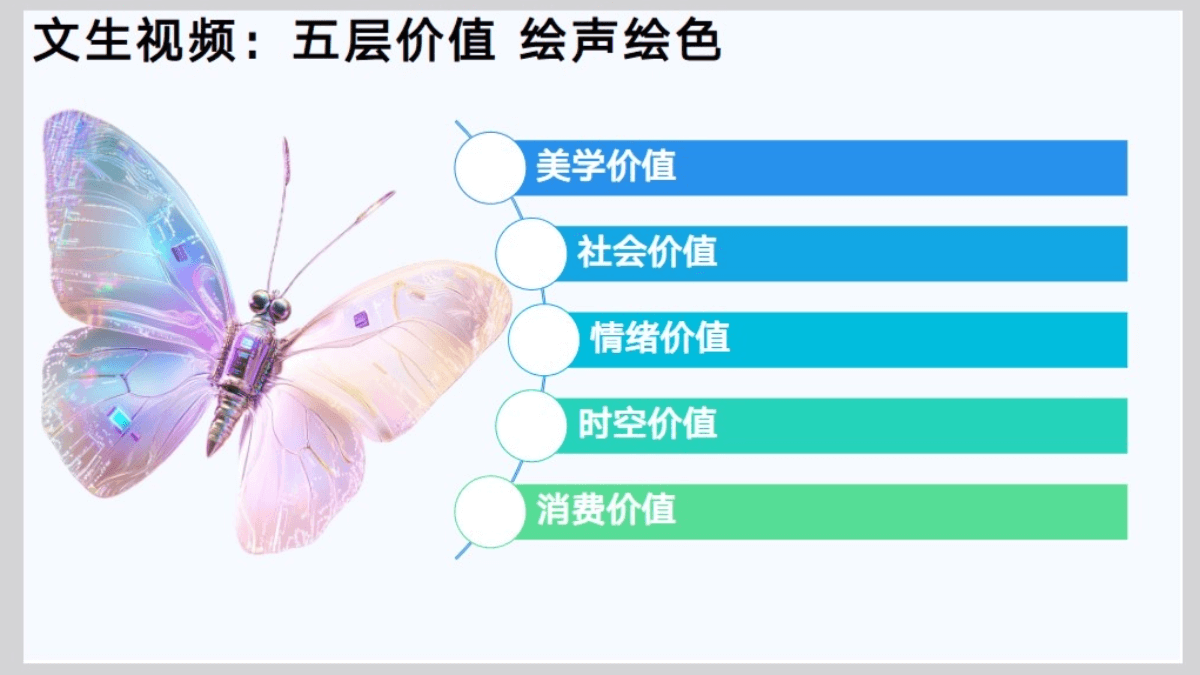
AI Video Creation: Video generation cases such as AI micro short dramas and cultural tourism promotional films.
Applications and Innovation Across Industries
-
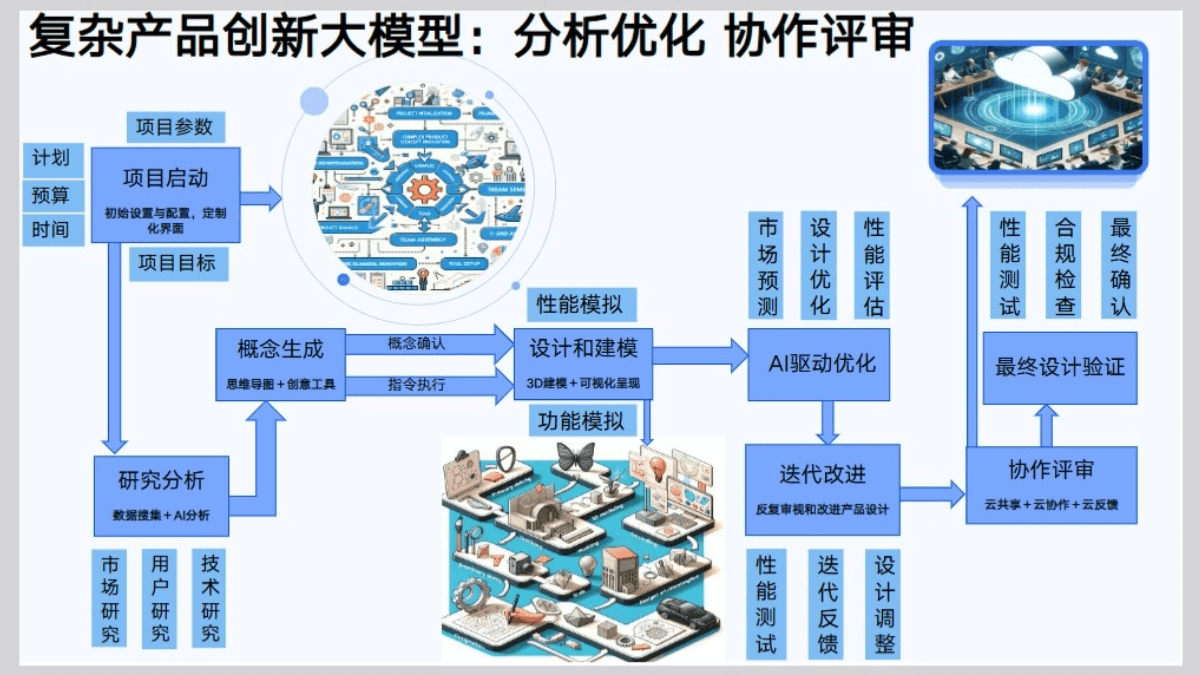
Fashion Design: AI designs clothing through the full process and connects to production, driving transformation in the fashion industry.
-
Healthcare: Applications such as the AI-MDT multidisciplinary diagnosis and treatment system and platforms for assisted diagnosis and treatment of psychological disorders.
-
Educational Innovation: AI-assisted learning, personalized education, and the construction of educational large models.
-
Industry and Energy: Coal chemical industry large models, equipment fault prediction, and intelligent safety management.
-
Publishing and Cultural Tourism: AI publishing, cultural tourism virtual humans, and AIGC cultural and creative products.
-
Media and the Internet: The integration of AIGC news, social media, and search engines.
-
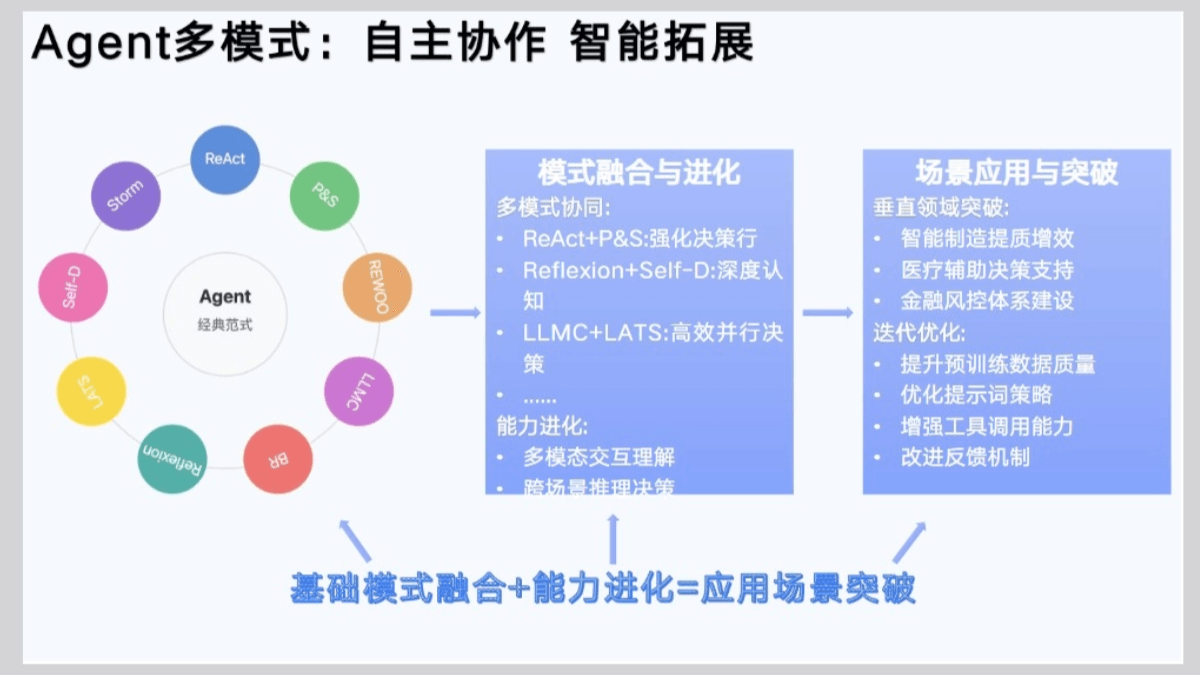
Humanoid Robots and the Metaverse: AI empowers humanoid robots, embodied intelligence, and spatial intelligence.
Future Outlook: Technological Innovation and Social Change
-
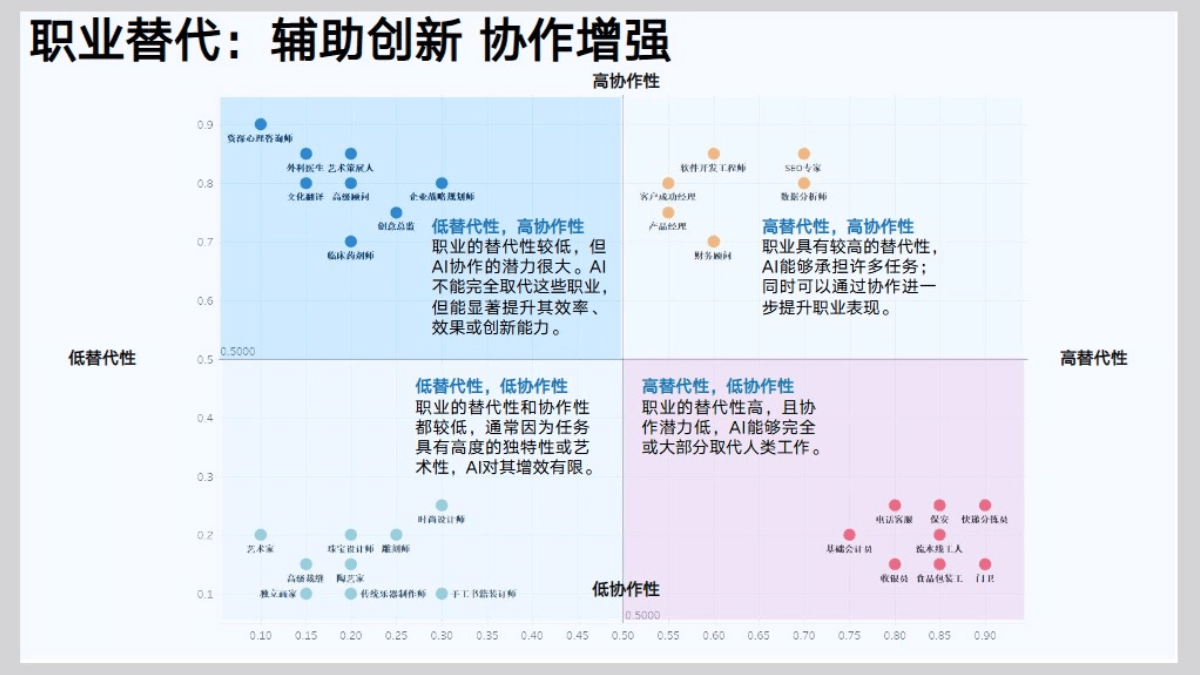
Job Replacement and Collaboration: Analyze the replaceability and collaboration potential of different occupations in the AI era.
-
Evolution of Social Forms: The transformation from agricultural society to industrial society, and then to AI society.
-
Economic Change and Resource Allocation: Intelligent production, industrial optimization and upgrading, and resource centralization.
-
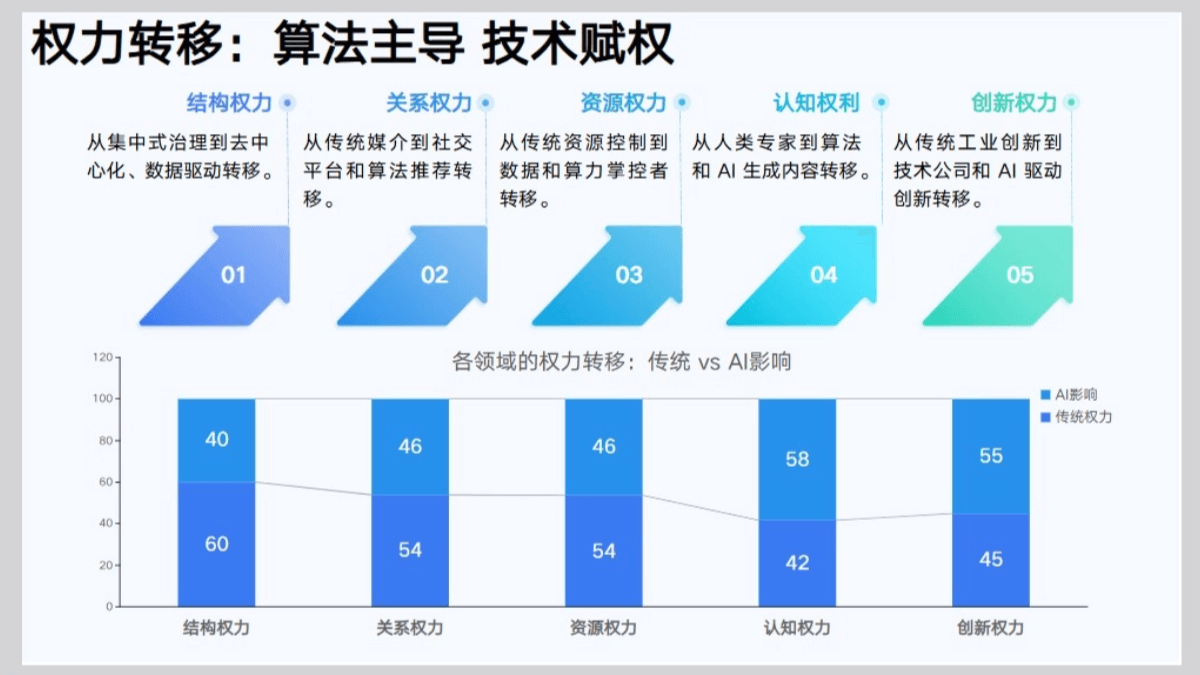
Political Impact and Power Transfer: The impact of AI on policy making, social governance, and election management.
-
Cultural Reshaping and Ethical Challenges: The impact of AI on traditional creation, social change, and ethical thinking.
-
Changes in Lifestyle: AI applications in clothing, food, housing, transportation, entertainment, and other aspects.
-
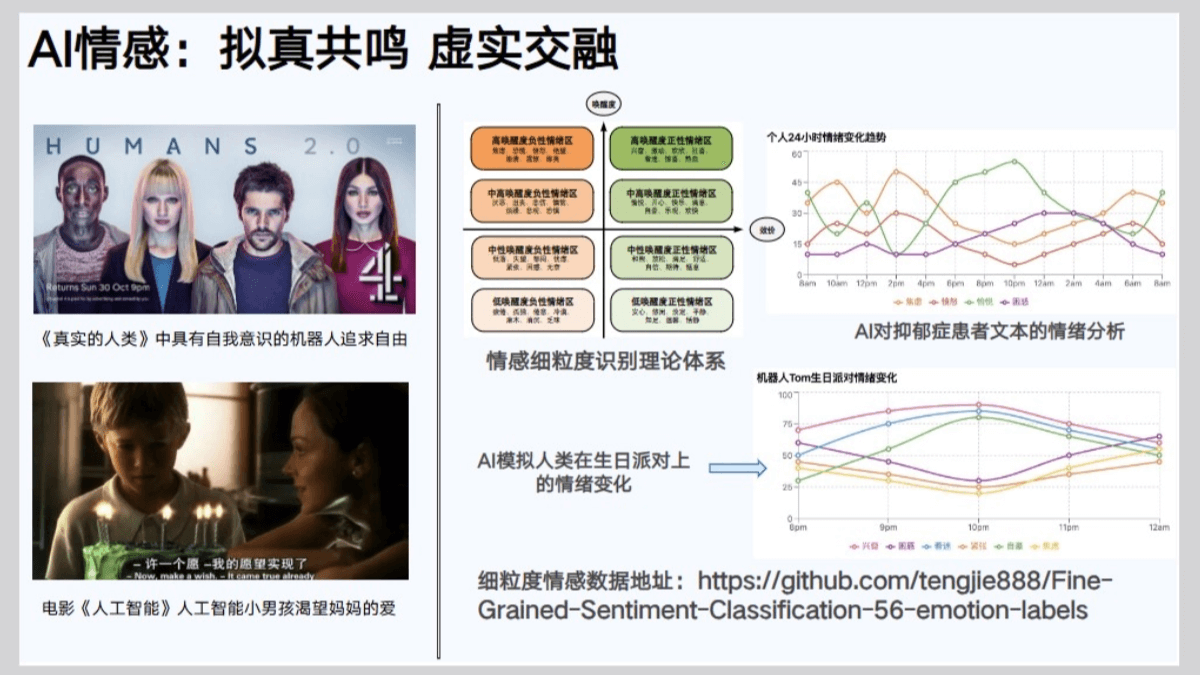
Emotional Change and Cognitive Insight: The impact of AI on emotions, interpersonal relationships, and cognition.
-
Copyright and Legal Reshaping: Copyright ownership of AIGC content, and the construction of the smallest identifiable unit.
Getthe original PDF file of the "AIGC Development Research Report 3.0", scan the QR code, follow, and reply: 20250304