
"DeepSeek Model Advantages: Interpretation from the Perspectives of Computing Power and Cost" was written by Professor Wang Zeke from the College of Computer Science at Zhejiang University, and mainly provides an in-depth analysis of the advantages of the DeepSeek model from the perspectives of computing power and cost. By comparing it with mainstream large models internationally, it discusses in detail DeepSeek's technological breakthroughs in system-aware algorithm innovation, computing power optimization, training cost control, and responding to U.S. computing power bans.
"DeepSeek: The Comprehensive Arrival of the Intelligent Era and the New Normal of Human-Machine Collaboration" was written by Professor Sun Lingyun from Zhejiang University, and mainly explores the development of artificial intelligence in the intelligent era and its impact on human-machine collaboration models. By analyzing the evolution of artificial intelligence, the new normal of human-machine collaboration, the current state of the industry, and applications in the education field, it comprehensively demonstrates the role of the DeepSeek model in promoting the arrival of the intelligent era.

Obtain"DeepSeek Model Advantages: Interpretation from the Perspectives of Computing Power and Cost"
"DeepSeek: The Comprehensive Arrival of the Intelligent Era and the New Normal of Human-Machine Collaboration"
Original PDF file, scan the code to follow and reply: 20250221
"DeepSeek Model Advantages: Interpretation from the Perspectives of Computing Power and Cost"

DeepSeek Model Performance Overview
-
By comparing the performance of DeepSeek-V3 with other mainstream large models (such as GPT-4, Llama-3.1, Qwen2.5, etc.) in different benchmark tests, it demonstrates DeepSeek's performance advantages. It particularly points out DeepSeek's performance in tests such as MMLU-Pro and GPQA-Diamond, as well as its outstanding capabilities in code generation and mathematical reasoning tasks.
Definition and Development of Computing Power
-
It provides a detailed introduction to the concept of computing power, including the differences between traditional computing power and modern computing power, as well as the development history of computing power. From the early mainframe era to the modern artificial intelligence era, the demand for computing power and the ways it is realized have undergone tremendous changes. The article also explores the relationship among computing power, storage power, and transport power.
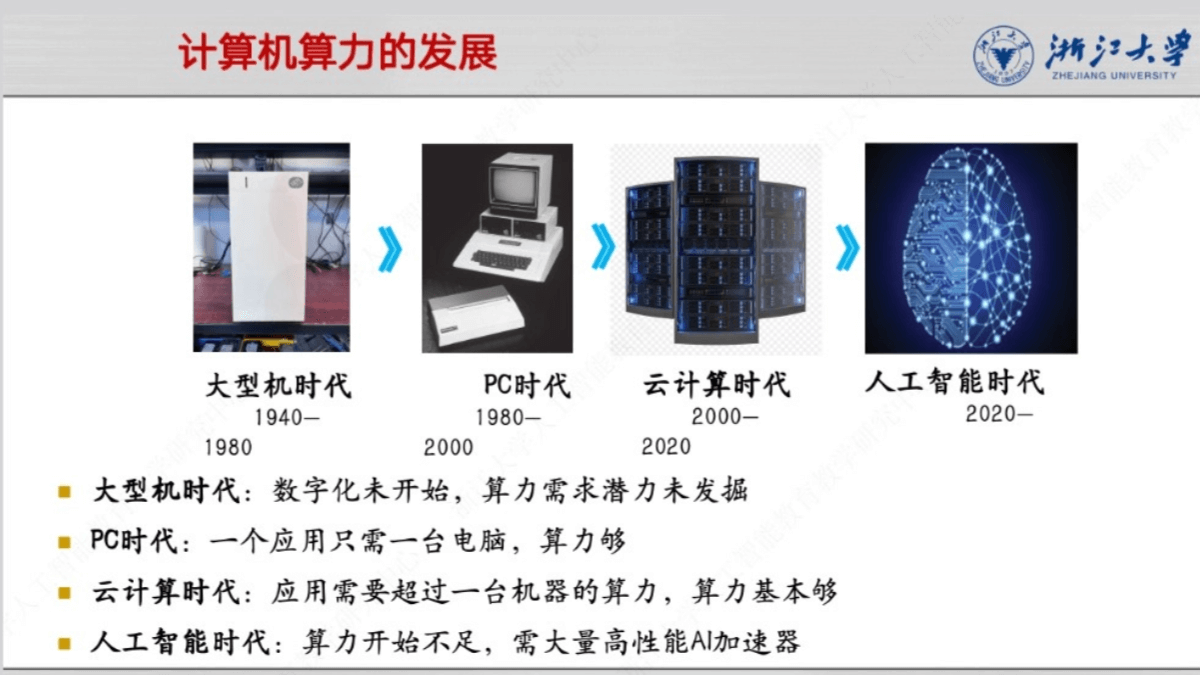
Computing Power Requirements of Artificial Intelligence Large Models
-
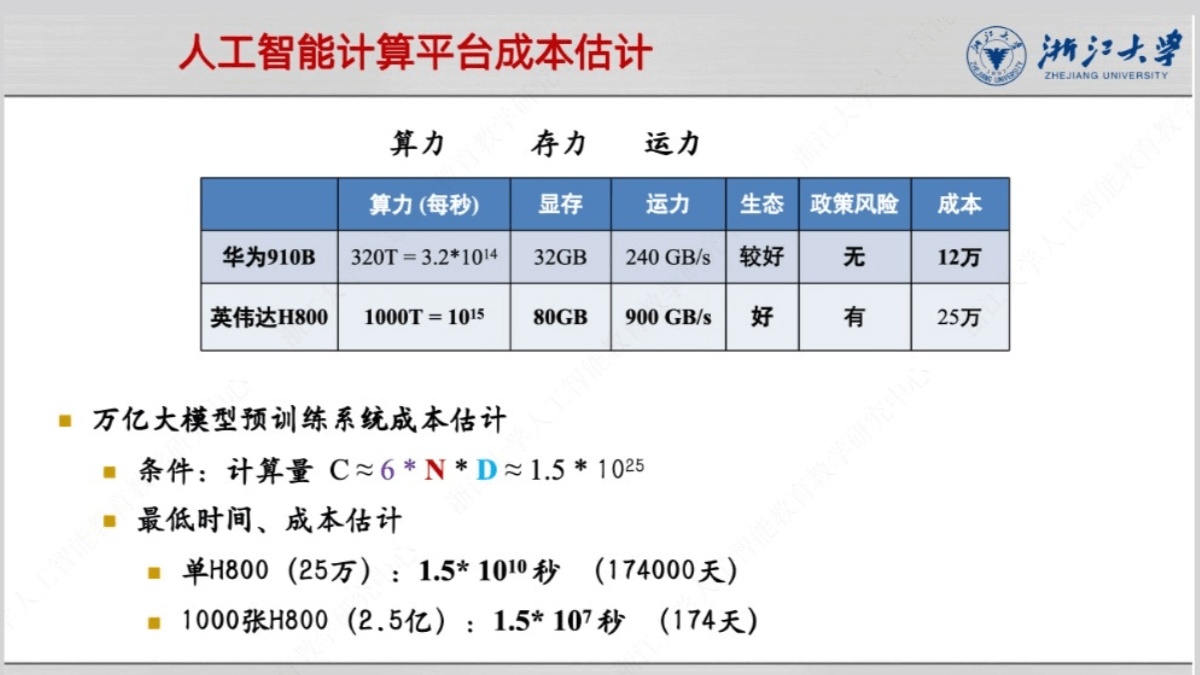
It analyzes the computing power requirements of artificial intelligence large models, including the relationship among data volume, model parameter count, and number of computations. Through OpenAI's Scaling Laws, the article explains the scale of computing power required for large model training, and uses specific calculation formulas and examples to illustrate methods for estimating computing power requirements.
-
It discusses the cost issues of large model training and inference, including hardware costs (such as the choice of GPU), training time costs, and inference efficiency. The article compares the performance and cost of different hardware such as Huawei 910B and NVIDIA H800, and proposes methods to reduce training costs through algorithm optimization.
DeepSeek's Technological Innovation
-
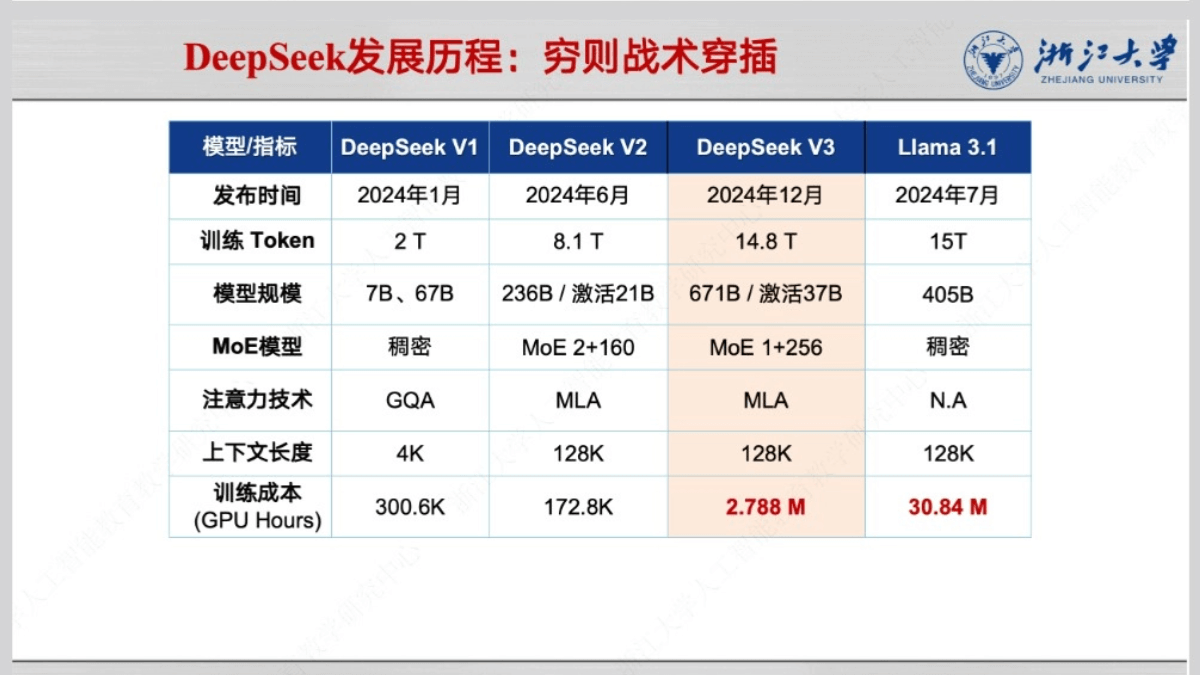
It introduces the core technologies of the DeepSeek model, including the MoE architecture (Mixture of Experts model), MLA (Multi-Head Latent Attention) technology, and the self-developed lightweight framework DualPipe. These technologies significantly reduce training and inference costs by reducing the amount of computation, optimizing memory usage, and improving communication efficiency.
DeepSeek's Training Cost and Performance Optimization
-
By comparing the training costs of DeepSeek-V3 with other models, it demonstrates DeepSeek's advantages in cost control. The article points out that DeepSeek significantly reduces the cost of a single training run by activating a small number of parameters (such as 37B/671B) to complete tasks, and improves performance by optimizing inference efficiency.
-
Discussed the U.S. restriction strategies on China's AI development, including high-end chip export bans and HBM chip restrictions. The article introduced how DeepSeek broke through these restrictions through technological innovations (such as FP8 mixed-precision training, knowledge distillation, etc.), achieving "tactical penetration."
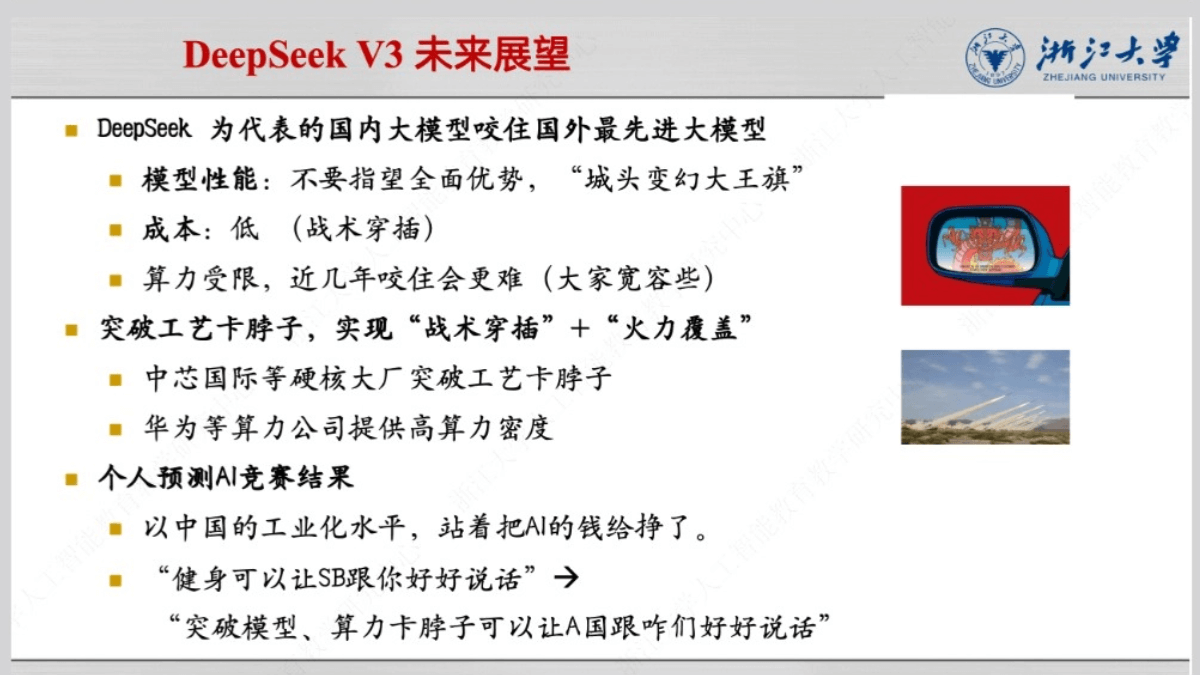
DeepSeek's Future Outlook
-
Provided an outlook on the future development of artificial intelligence, especially how DeepSeek can maintain competitiveness through technological innovation under limited computing power. The article predicts that with the improvement of domestic computing infrastructure and process breakthroughs, DeepSeek will achieve broader application and promotion.

Get"DeepSeek Model Advantages: An Interpretation from the Perspectives of Computing Power and Cost"
"DeepSeek: The Full Arrival of the Intelligent Era and the New Normal of Human-Machine Collaboration"
Original PDF file, scan the QR code to follow and reply: 20250221
"DeepSeek: The Full Arrival of the Intelligent Era and the New Normal of Human-Machine Collaboration"
Intelligent Evolution
-
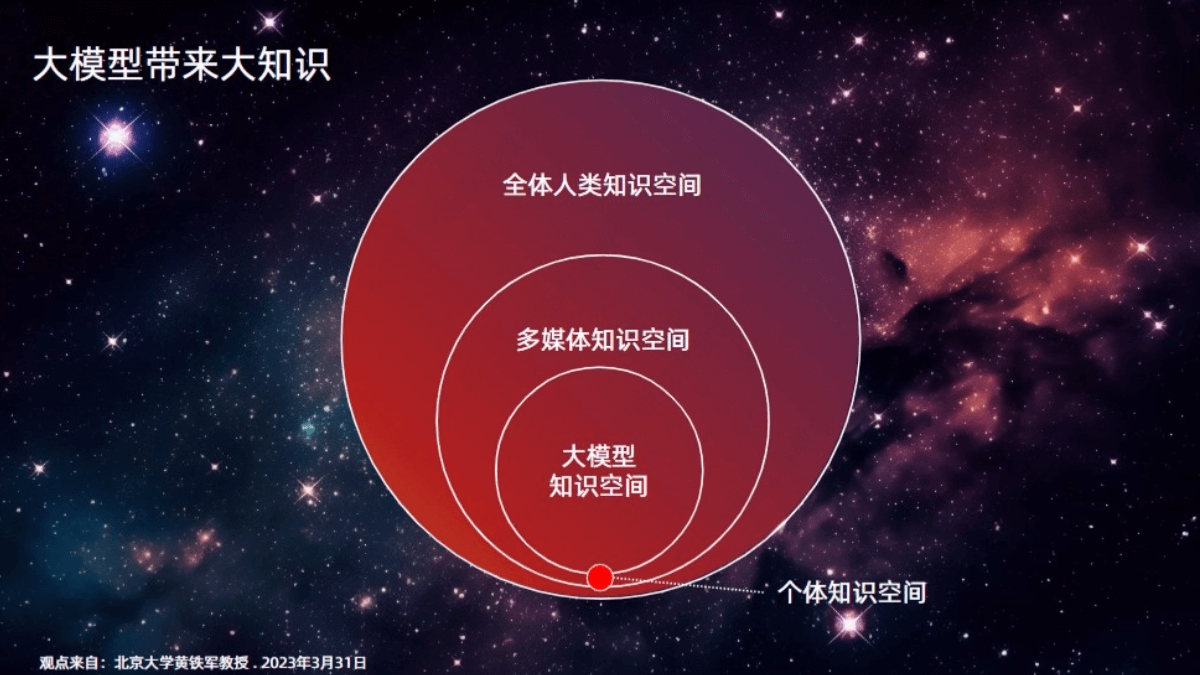
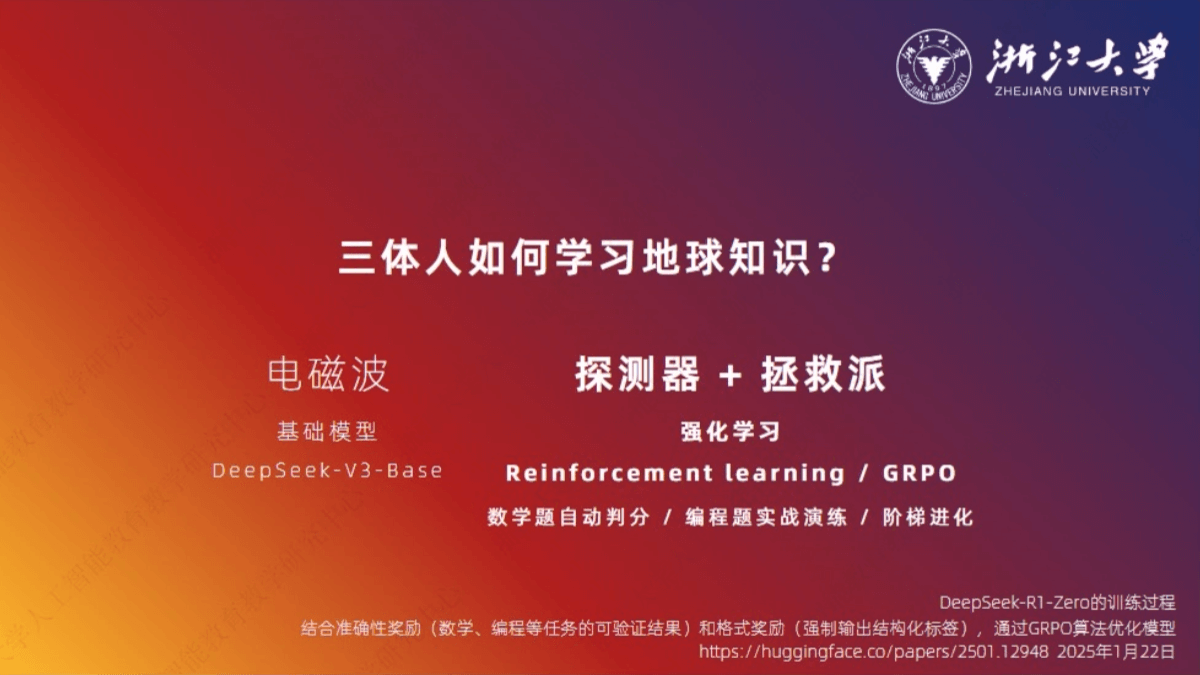
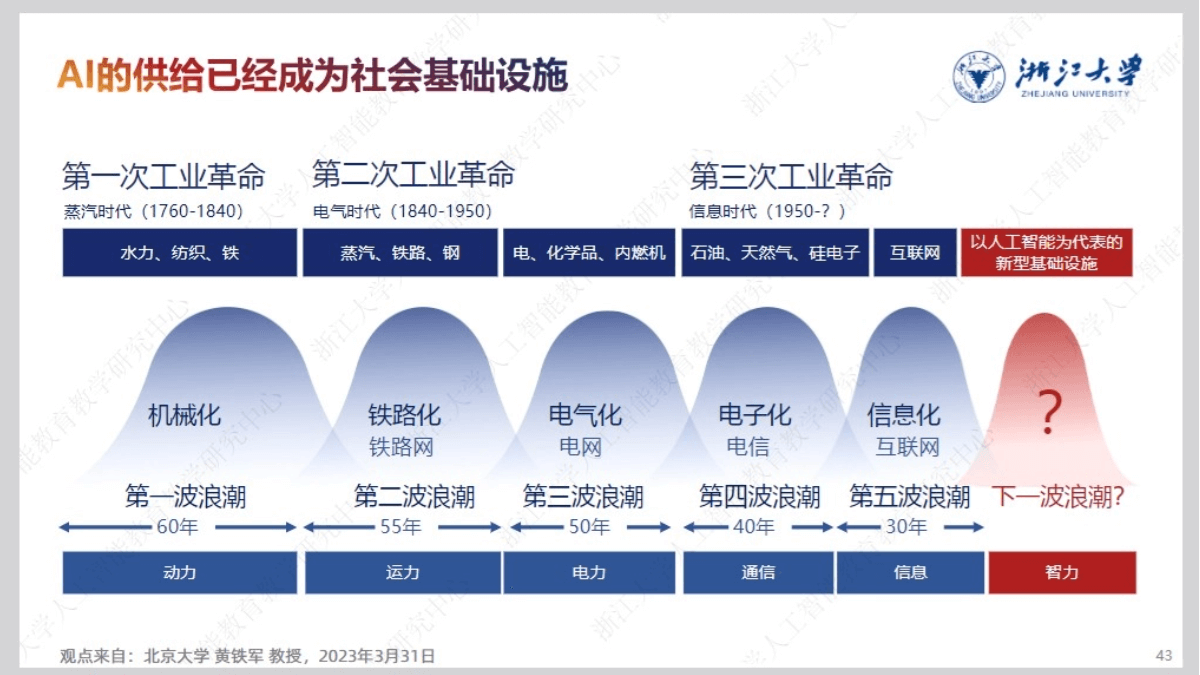
Reviewed the development history of artificial intelligence, from early models to today's large language models (LLM). It particularly pointed out that from GPT-1 to GPT-3, the amount of model pretraining data increased significantly, bringing stronger language generation and reasoning capabilities. The article also discussed how large models learn human knowledge through massive data.
Human-Machine Collaboration
-
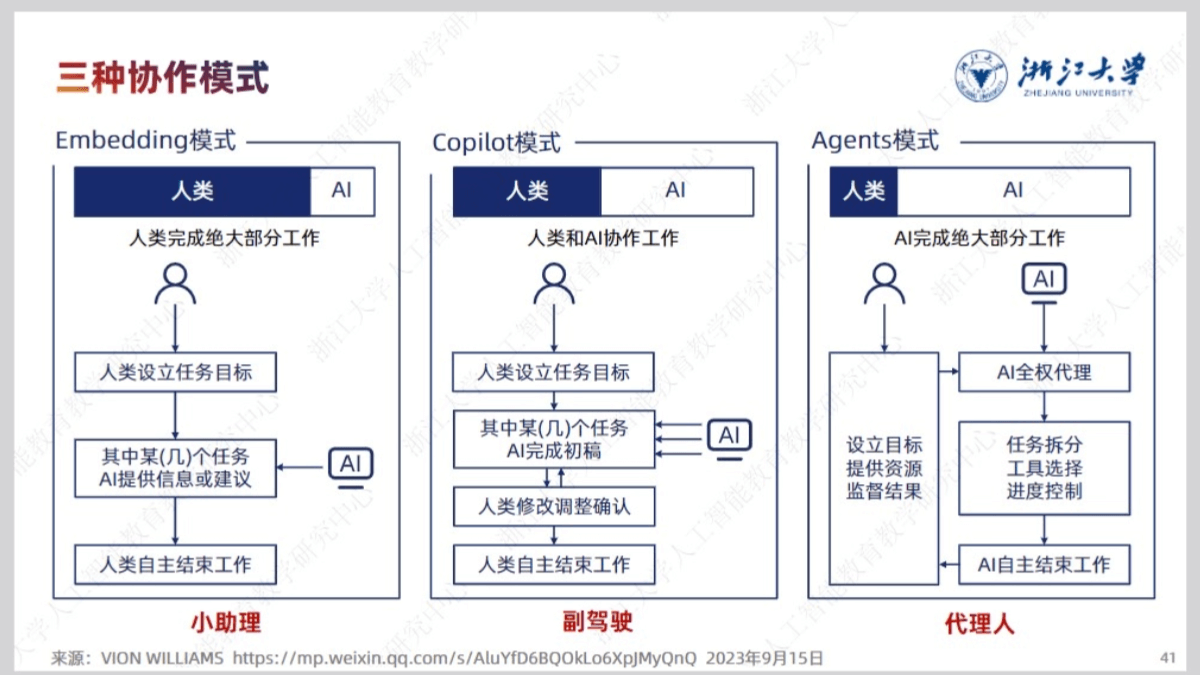
Discussed the new normal of human-machine collaboration, including three modes: "little assistant," "copilot," and "agent." Through specific cases, the article demonstrated the role of human-machine collaboration in improving work efficiency and optimizing decision-making processes, and explored the impact of human-machine collaboration on career development and social structure.
Industry Status
-
Analyzed the current development status of the artificial intelligence industry, including progress in foundation models, intelligent applications, and intelligent hardware. It particularly mentioned DeepSeek's applications in industry, such as integration into Baidu Search, WeChat Search, China Southern Power Grid, and other scenarios, and discussed the rapid growth of AI tools and their driving effect on various industries.
Educational Growth
-
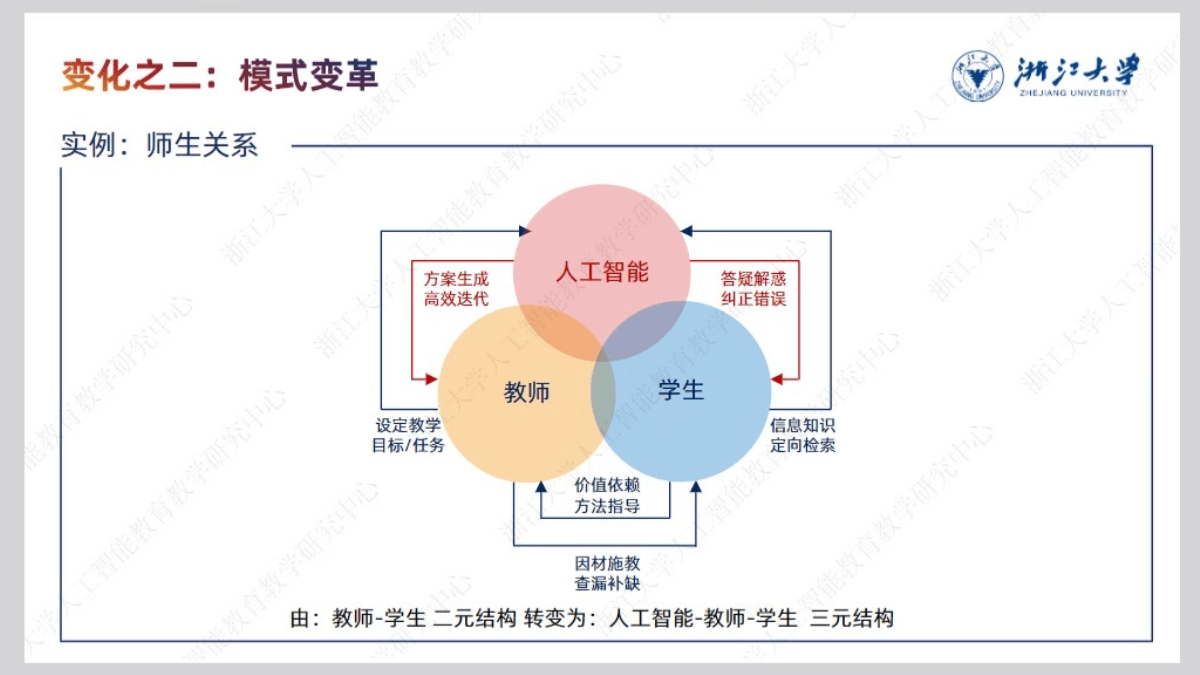
Explored the application of artificial intelligence in the education field, including support in curriculum design, teaching management, personalized learning, and other aspects. Through specific cases, the article demonstrated how AI improves teaching efficiency and students' learning experience, and discussed new models of human-machine collaboration in education.
DeepSeek's Technology and Applications
-
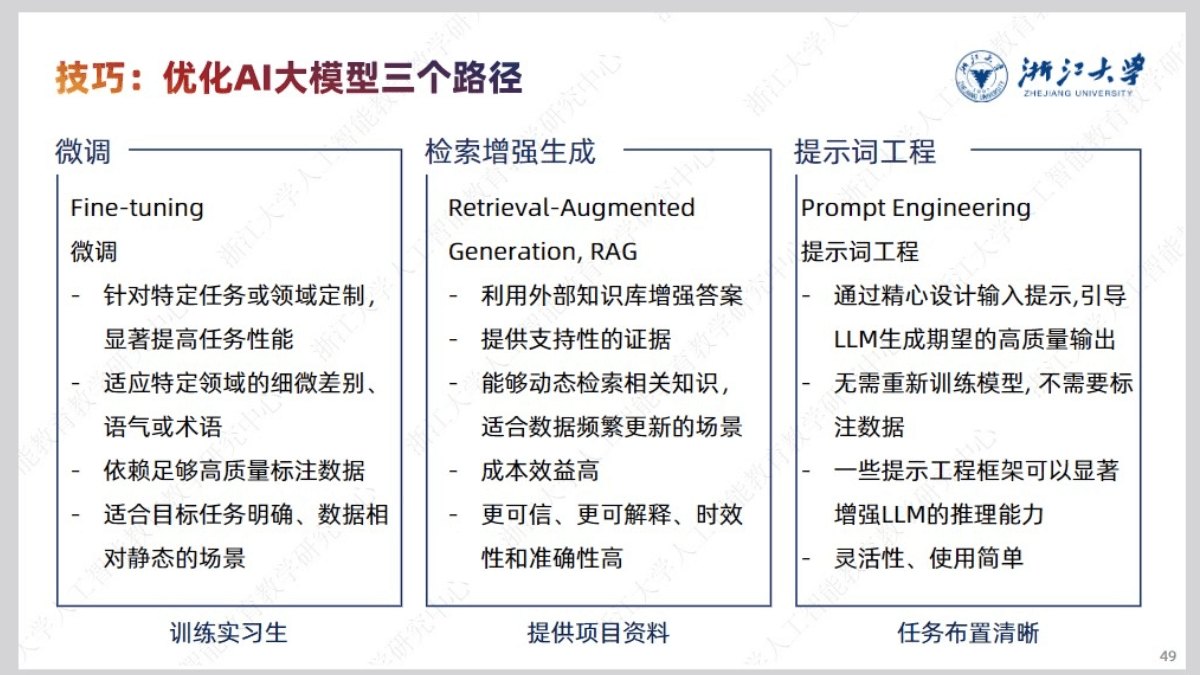
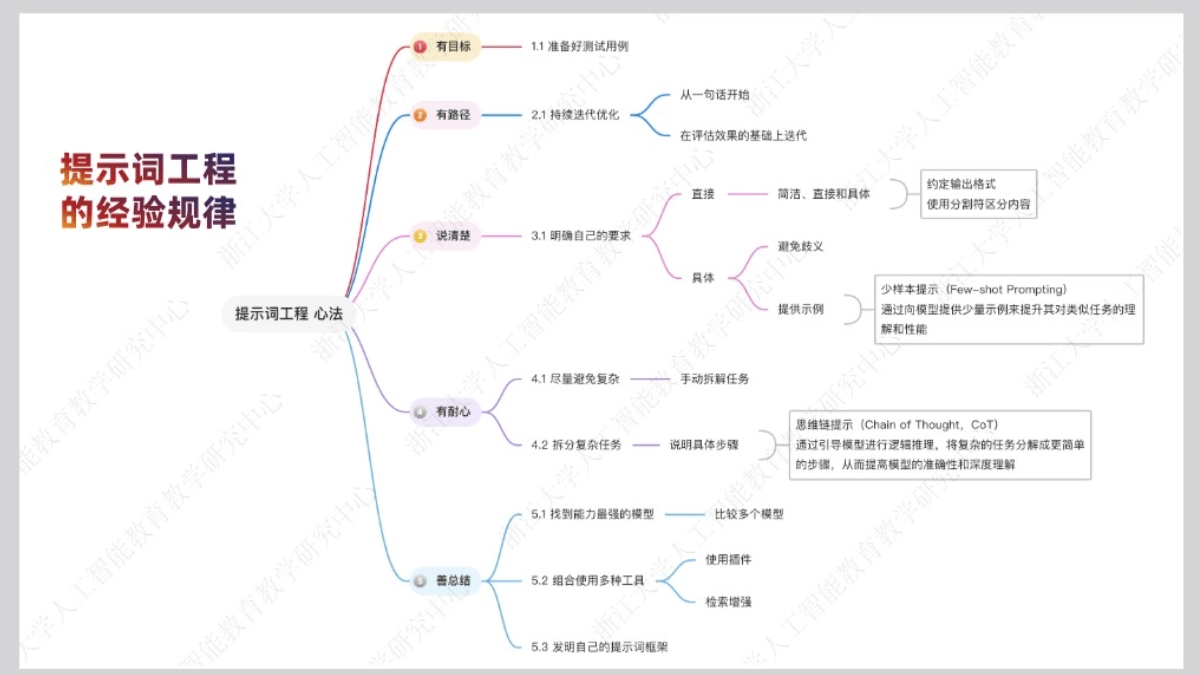
Introduced in detail the technical characteristics of the DeepSeek model, including its advantages in reasoning ability, multimodal processing, and knowledge generation. Through specific application scenarios (such as mathematical reasoning, code generation, etc.), the article also demonstrated the practical application effects of DeepSeek.
-
Discussed the profound impact of artificial intelligence on society, including changes in work patterns, the emergence of new occupations, and improvements in human quality of life. The article cited relevant research and pointed out the possible shortening of working hours and improvement of social welfare brought by AI.
The Ethics and Challenges of Artificial Intelligence
-
Explored the ethical issues faced in the development of artificial intelligence, such as model transparency, decision bias, and data privacy. The article also discussed how to address these challenges through technical means and social norms to ensure the healthy development of artificial intelligence.
The Future Outlook of Artificial Intelligence
-
Provided an outlook on the future development of artificial intelligence, including technological breakthroughs, industrial applications, and educational transformation. The article particularly mentioned the potential of artificial intelligence in improving work efficiency, creating new job opportunities, and promoting social progress, and emphasized the importance of human-machine collaboration in future social development.

Get"DeepSeek Model Advantages: An Interpretation from the Perspectives of Computing Power and Cost"
"DeepSeek: The Comprehensive Arrival of the Intelligent Era and the New Normal of Human-Machine Collaboration"
Original PDF file, scan the QR code to follow and reply: 20250221