
What Is the World Labs Spatial Intelligence Model
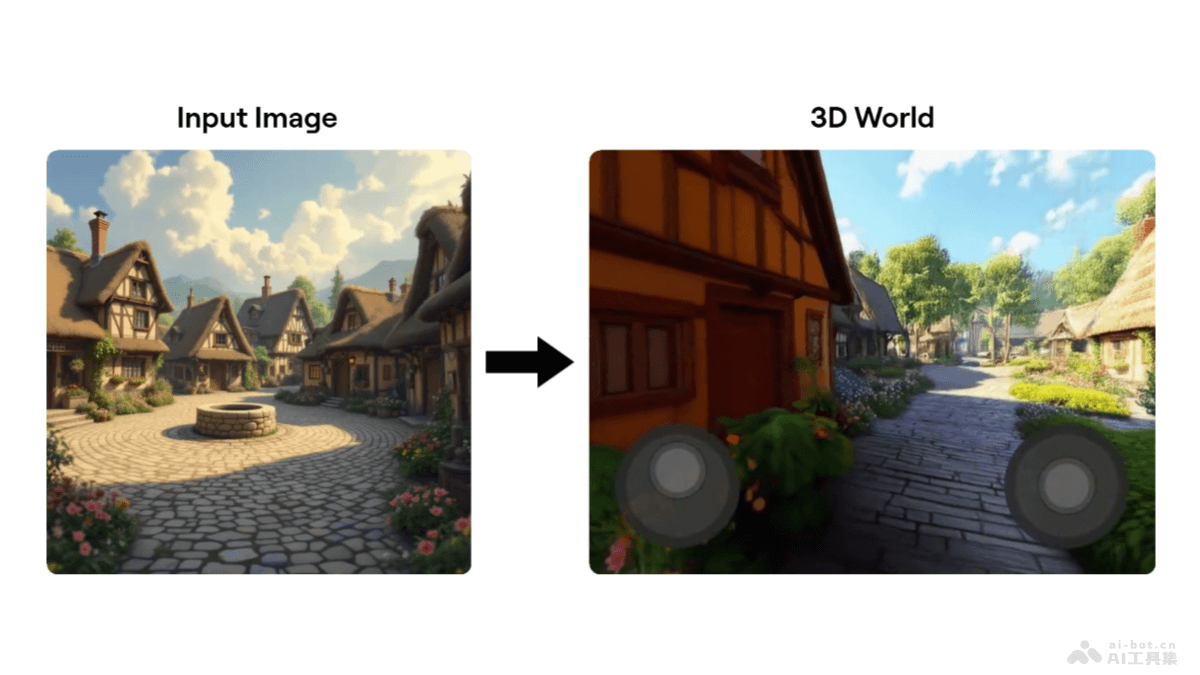
The World Labs Spatial Intelligence Model was launched by World Labs, founded by Fei-Fei Li. It generates a realistic and interactive 3D world from a single image. The World Labs Spatial Intelligence Model can estimate 3D geometry, fill in unseen parts of a scene, and create new content. The World Labs Spatial Intelligence Model can render 3D scenes in real time in a browser and supports camera controls, such as simulating shallow depth of field and multi-axis zoom effects, bringing revolutionary changes to film, game production, and other digital forms of expression.
Main Features of the World Labs Spatial Intelligence Model
- 3D World Construction: Generates a complete 3D world from a single image, including estimating 3D geometry and filling in unseen parts of the scene.
- Content Creation: Based on a given image, the system can create new content and expand the scene.
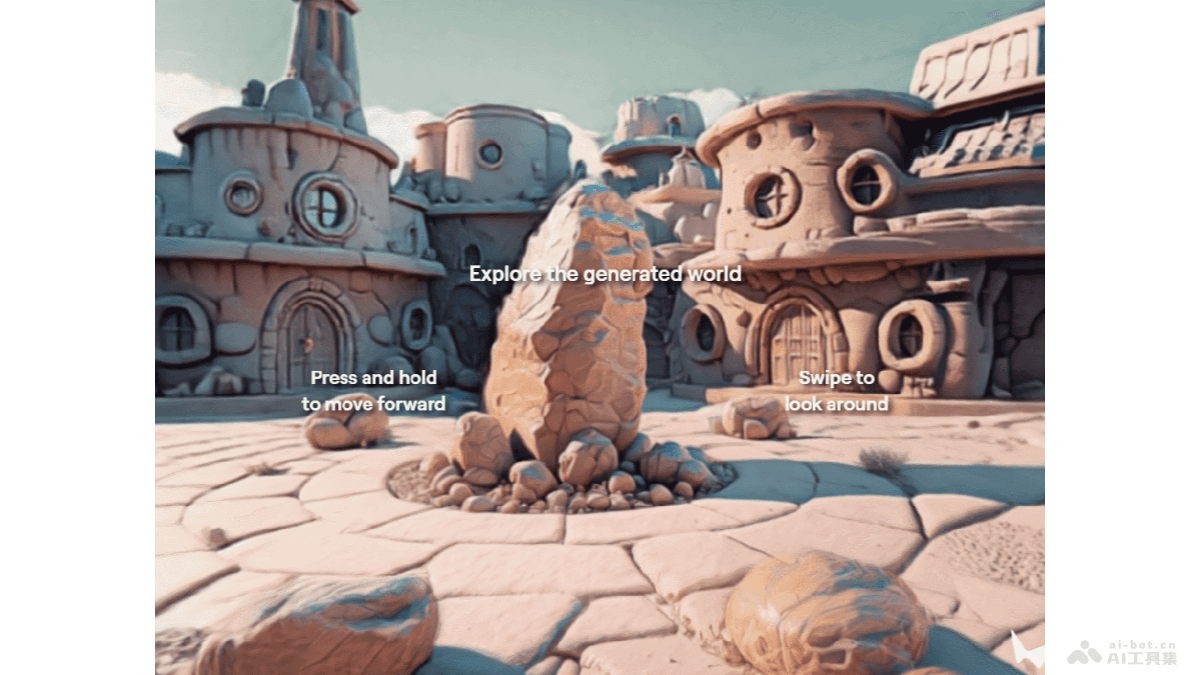
- Interactivity: Users can freely move the camera in the generated 3D world, achieving a game-like exploration experience.
- Real-Time Rendering: 3D scenes can be rendered in real time in the browser, providing immediate visual feedback.
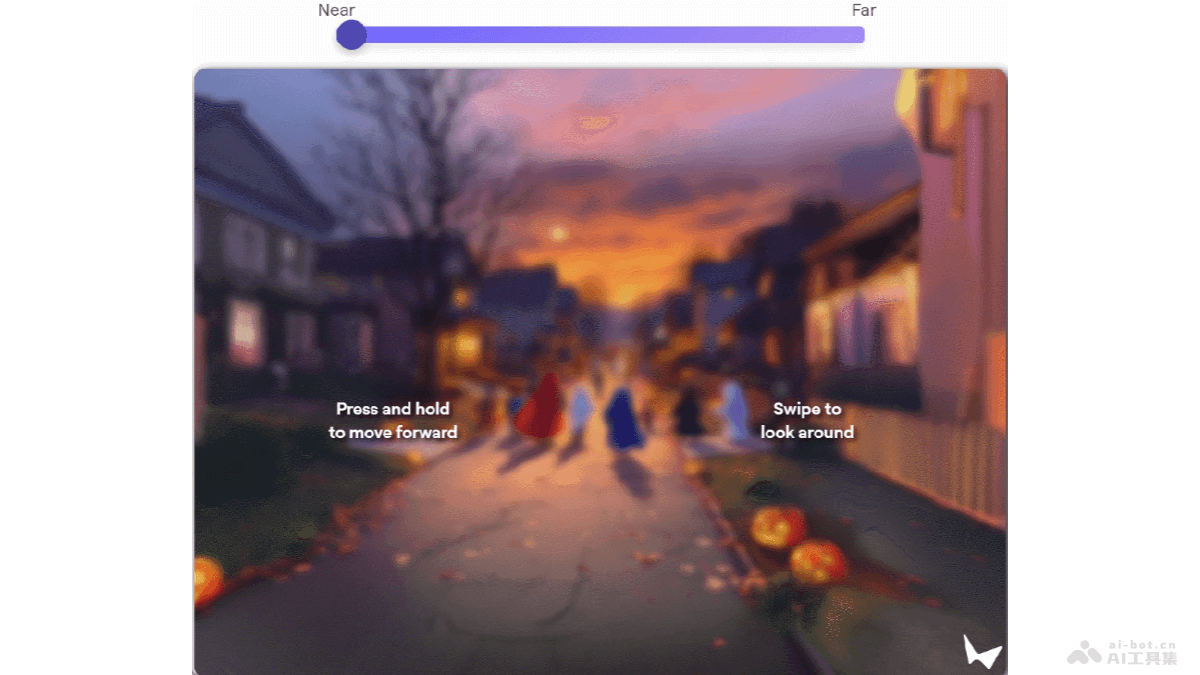
- Camera Control: Supports camera effects such as simulated shallow depth of field and multi-axis zoom, enhancing visual expressiveness.
- Persistent Reality: The generated 3D world persists and does not disappear when the viewpoint changes.
Official Examples of the World Labs Spatial Intelligence Model
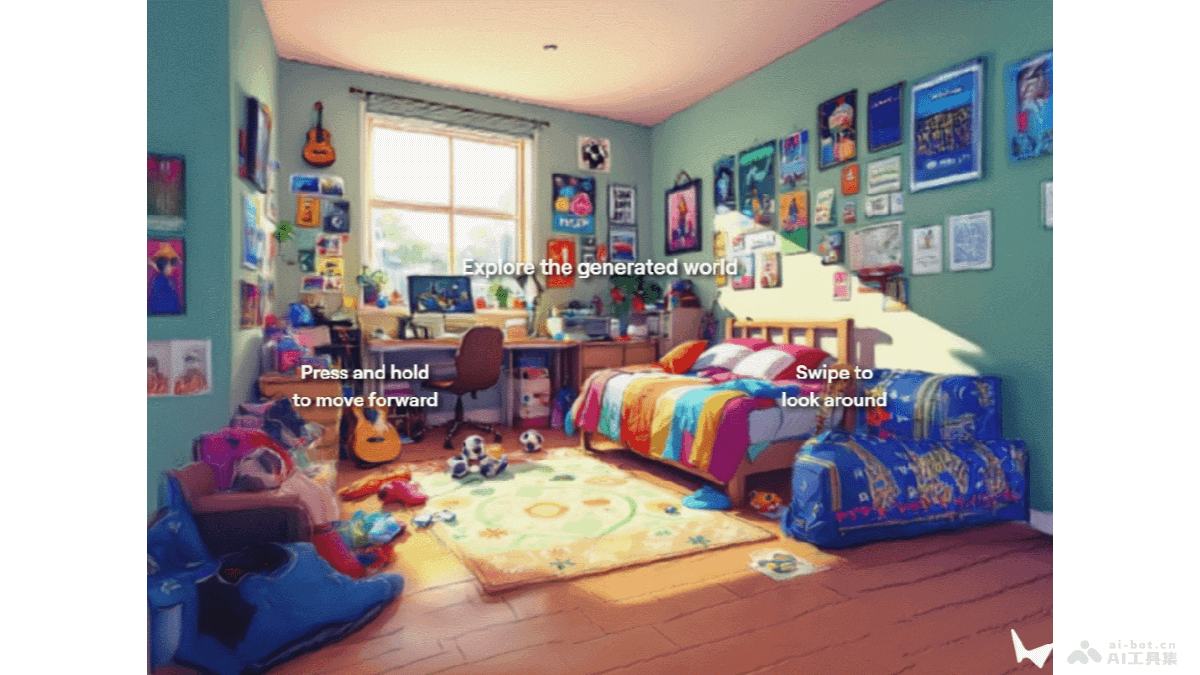
Explore the World
Camera Effects
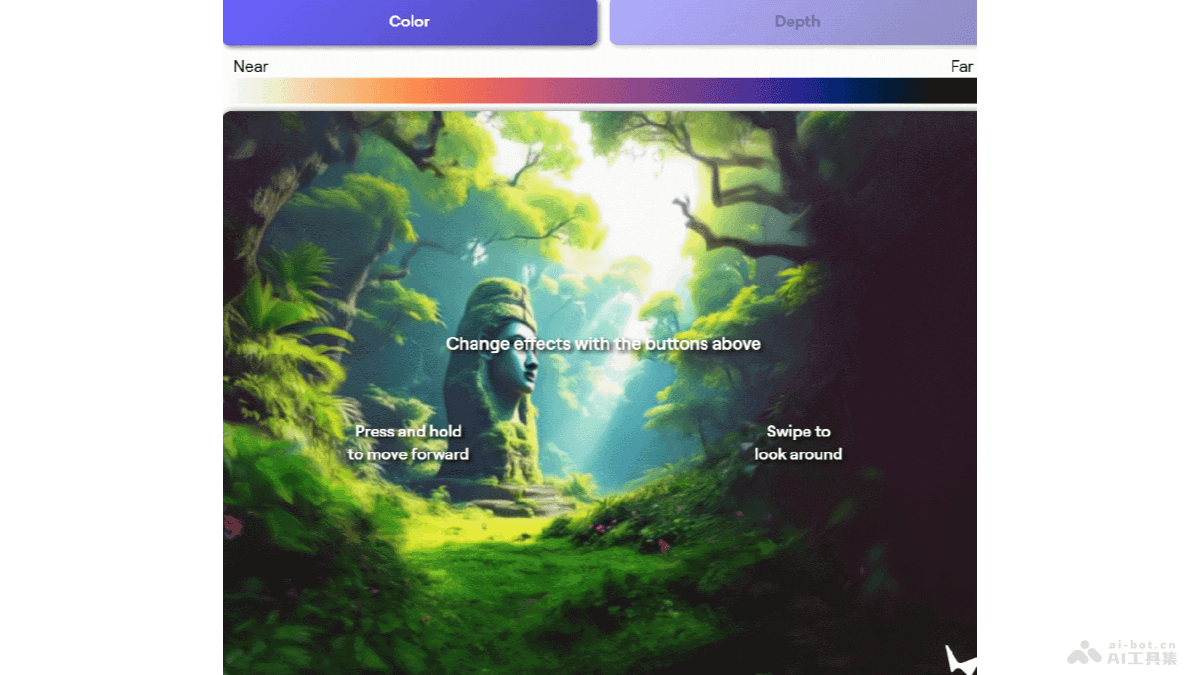
3D Effects
World-Famous Paintings

Creative Workflow
Project Address of the World Labs Spatial Intelligence Model
- Project Official Website:worldlabs.ai/blog
Application Scenarios of the World Labs Spatial Intelligence Model
- Film and Game Production: Create realistic 3D environments and scenes, improve production efficiency, and reduce costs.
- Virtual Reality (VR) and Augmented Reality (AR): Provide immersive 3D content for VR and AR applications, enhancing the user experience.
- Simulation and Training: Used in fields such as military, aviation, and healthcare to create simulated environments for training and drills.
- Education and Training: Build virtual classrooms or laboratories to provide interactive learning experiences.
- Architecture and Urban Planning: Assist designers and planners in creating and displaying 3D architectural models and urban layouts.