
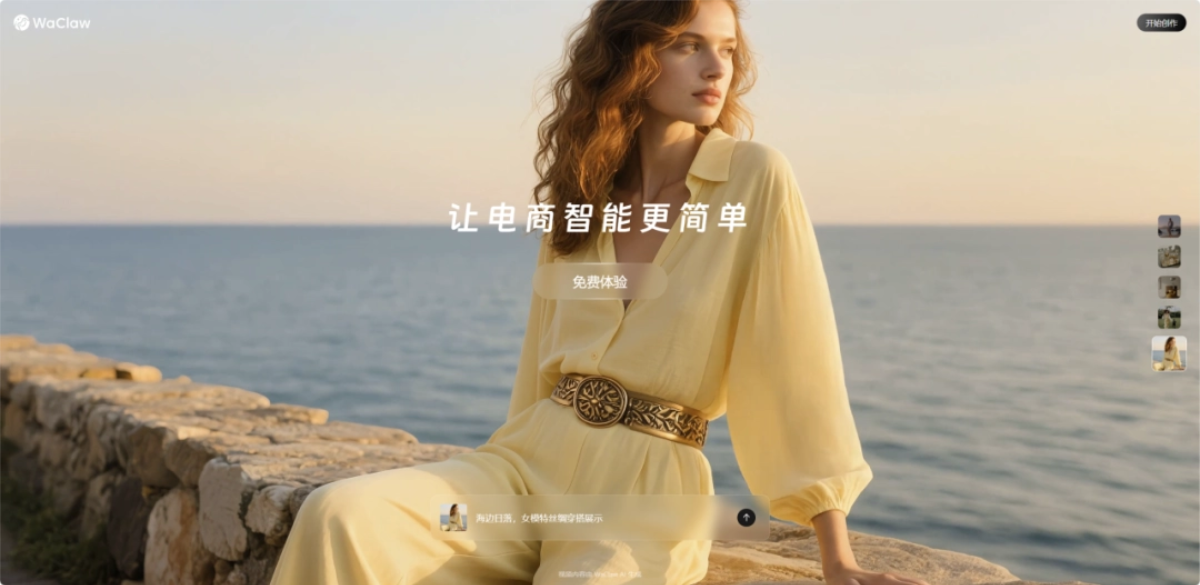
Upload one flat-lay image, and five minutes later, Taobao main images, Amazon white background images, Xiaohongshu种草 images, detail page long images, and model videos are all out. The total cost was only 9.9 yuan.
Friends doing e-commerce, who hasn't tried a few AI image generation tools?
I've used quite a few too, but the images generated by regular AI tools have a strong AI feel, the generated images are stiff, and the gap from the platform's image style is too large.
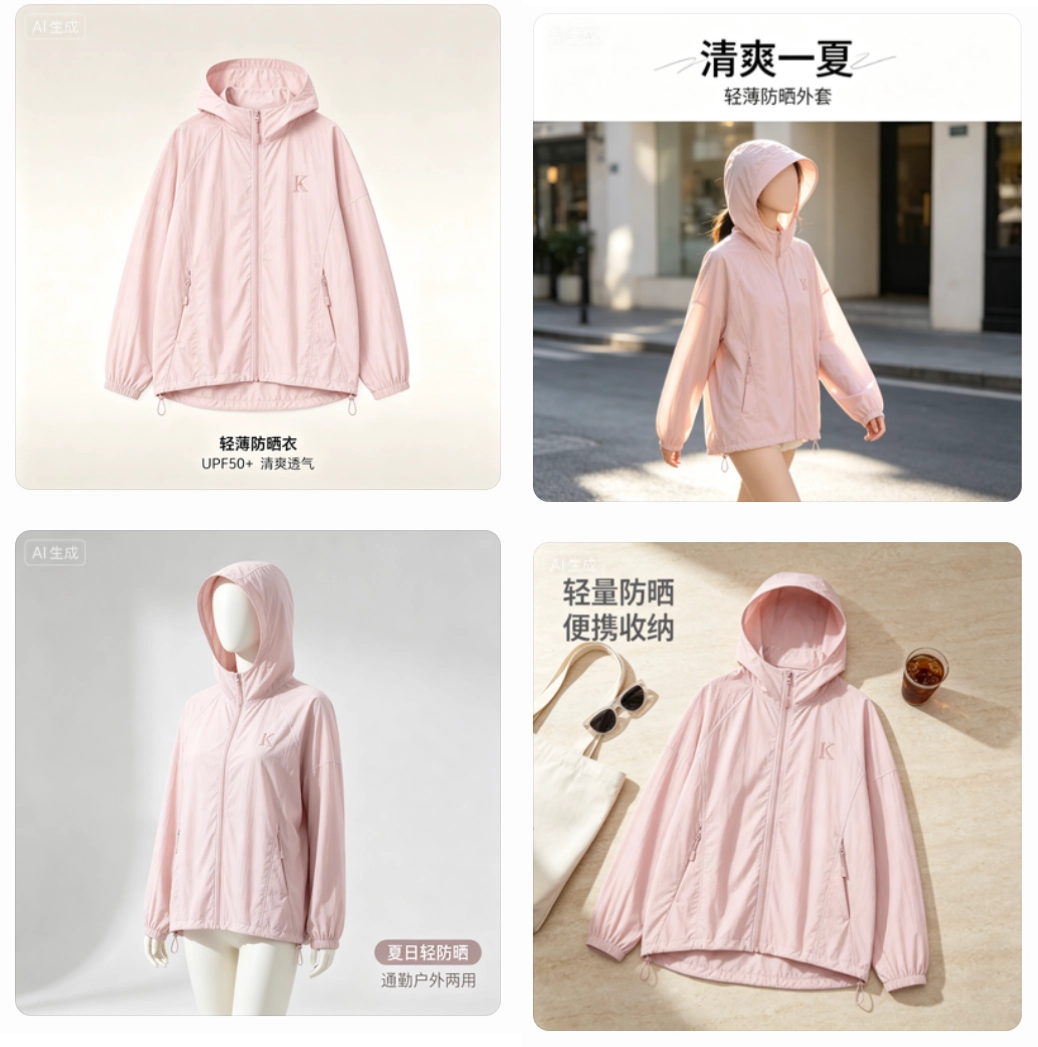
In e-commerce images, every image in the main image and detail page has a clear purpose: it must show the full product, highlight selling points, and also make people want to buy. Different platforms also have different size, composition, and content specifications.
If you want AI to stably produce e-commerce images that can truly be delivered, what is tested is not just image generation capability, but also understanding of design, understanding of products, and even more, understanding of platform rules.
The most critical thing is that it also has to understand the store's tone, otherwise manual adjustments will still be unavoidable in the end.

Today let's do a hands-on test together of the newly launched e-commerce lobster from Huiha WaClaw。
01. How are the core material assets talked out?
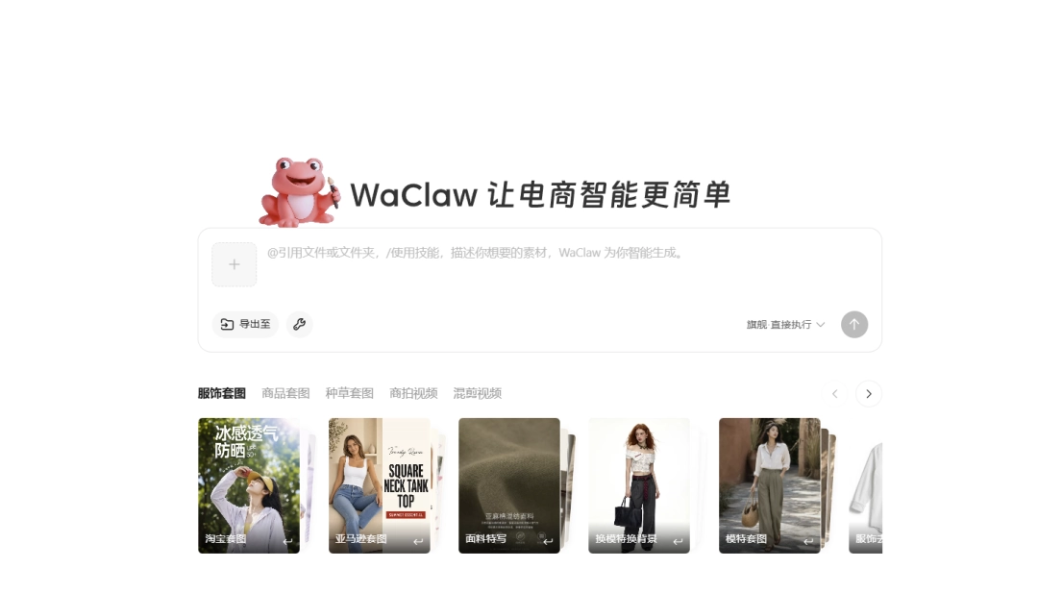
We openHuiha, select WaClaw, and directly tell WaClaw in plain language what type we need. WaClaw will automatically break down the task and provide a finished product that complies with platform rules.
Basic product main image
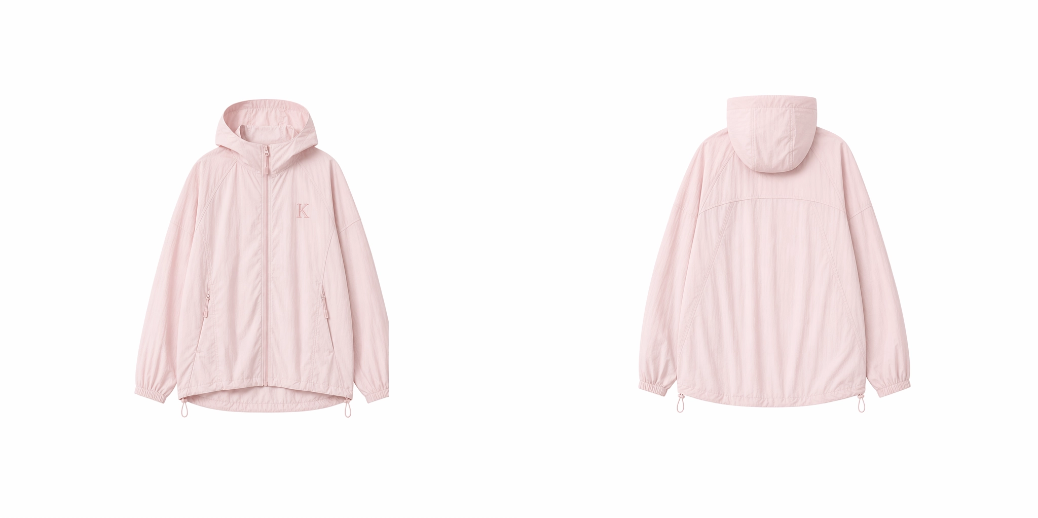
I first uploaded a flat-lay image of a sun-protection jacket, and then directly told WaClaw:
Prompt: Generate a set of high-quality product main images for listing on Taobao for the purple sun-protection jacket in the image.
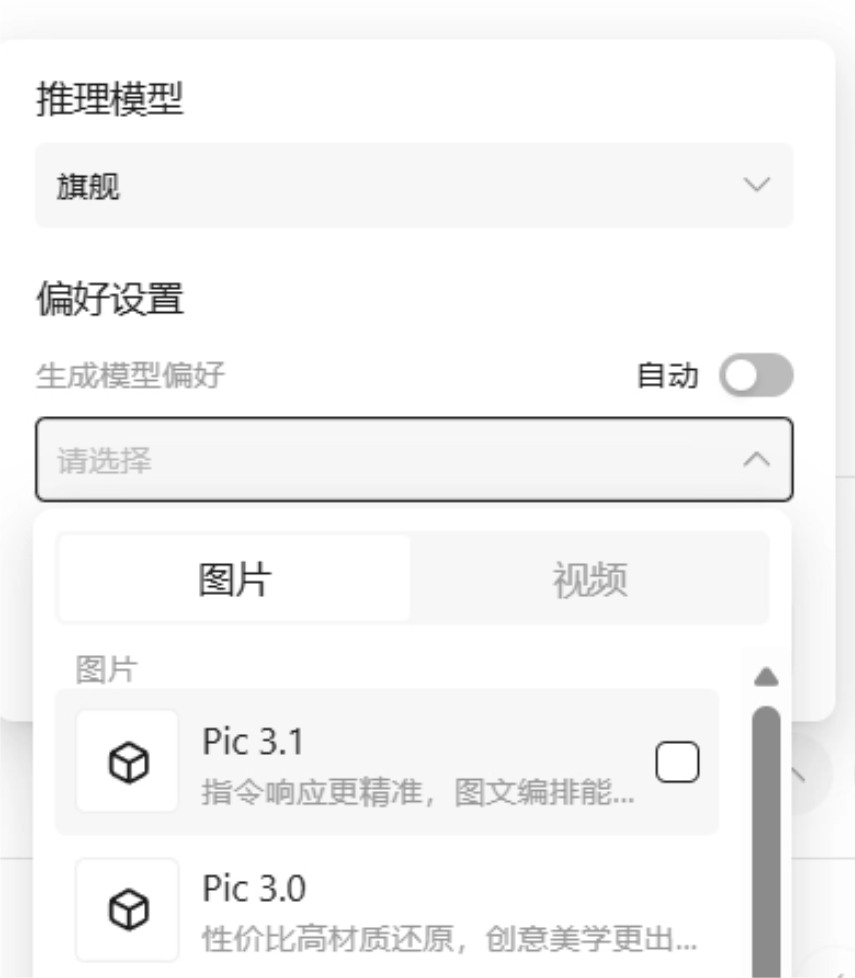
Here's a little tip to share: if you want more stable finished image quality, it's best to turn off automatic model selection,manually select Pic 3.1 for images and Video 3.0 for videos。
In my prompt I mistakenly wrote the clothing color as purple. WaClaw automatically recognized the product reference image and corrected the color description. Design details that I didn't mention at all in my prompt, such as the hidden zipper pocket, dropped shoulder sleeves, and the horizontal back yoke seam... WaClaw also identified all of them.
WaClaw first confirmed that the product belongs to the apparel category and is for a Taobao main image, then retrieved the relevant specifications, and converted my vague prompt instructions into specific image generation requirements, such as using a 3:4 vertical image.
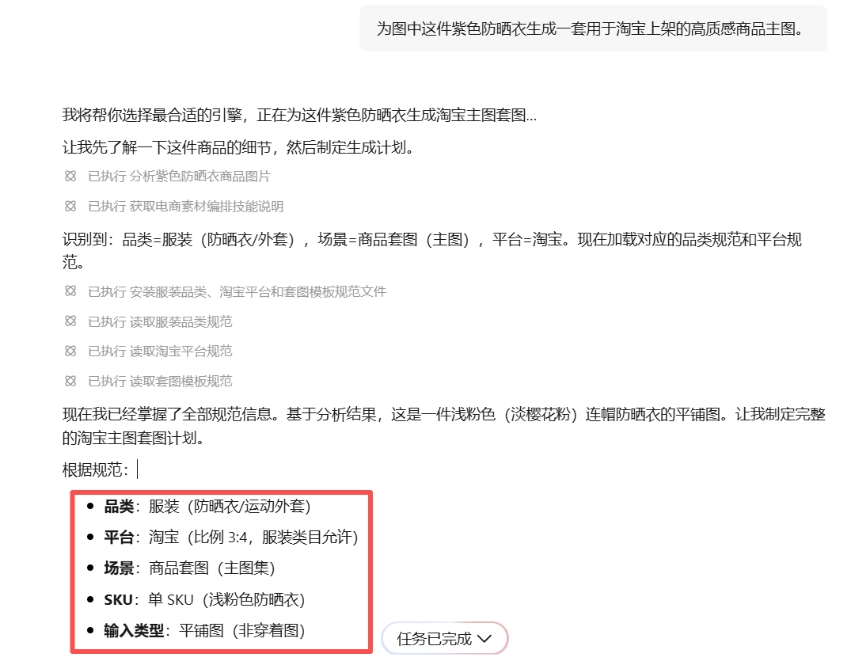
Finally, WaClaw automatically performs a platform self-check to confirm that the image ratio, subject display, and text watermark all meet platform requirements before delivering the result.
The entire task consumed 15 credits, and the generated main image looks like this:
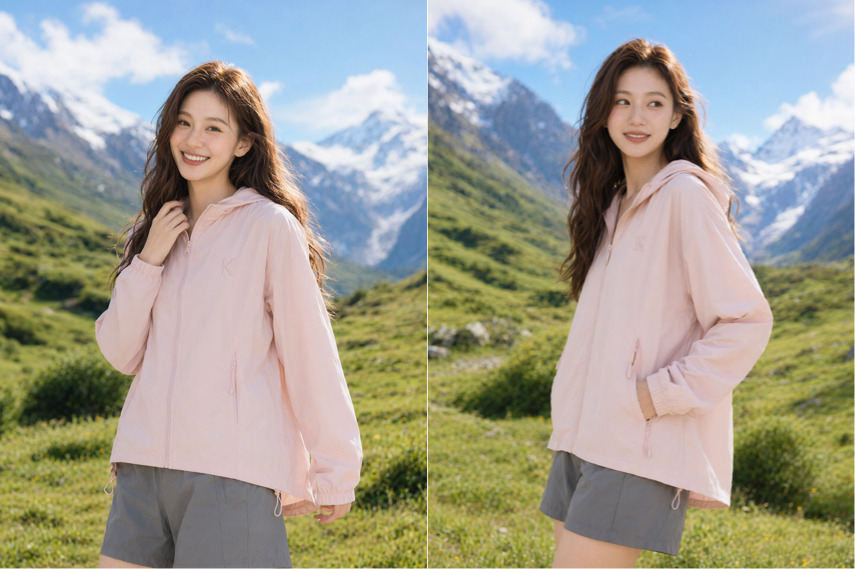
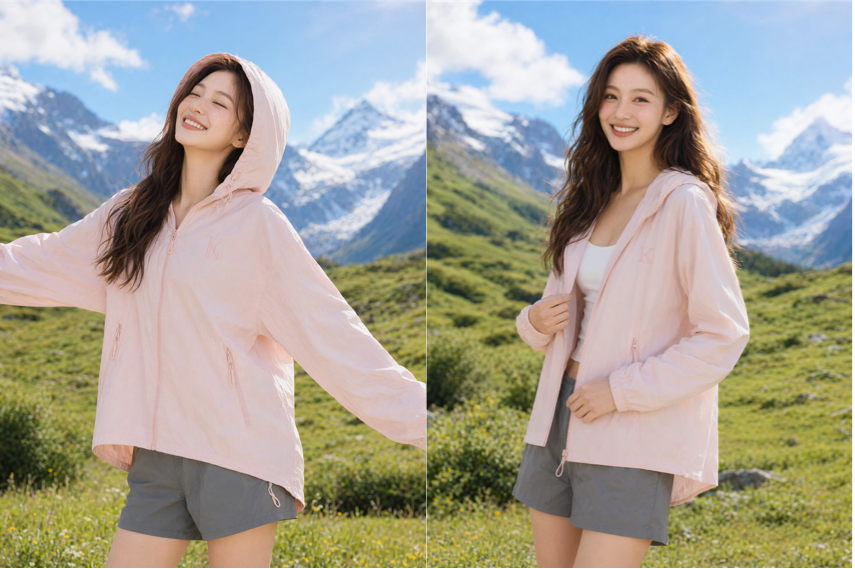
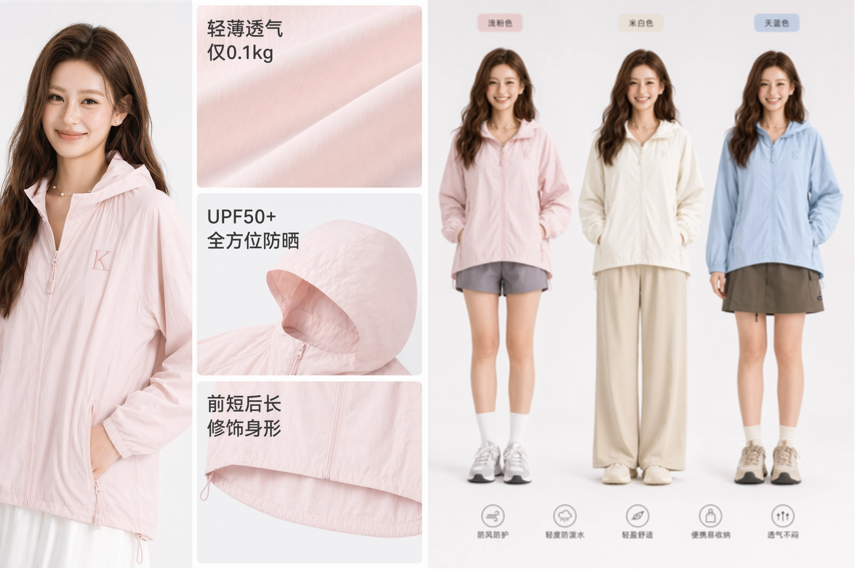
The level of completion is very good, the image is clear, the lighting is natural, and the outdoor scene is very suitable for displaying the sun-protection jacket. Product consistency and character consistency are also stable, and the color tone and style of the 6 images are unified, with a strong brand quality。
WaClaw also generated product attribute images and color selection images based on the selling points I added. The information that e-commerce main images need to display is basically all there.
When 30 SKUs need to be launched in a season change, there is no need to pay a large fee to the photography studio, models, and post-production anymore.
Let's try sending the same request to other AI tools:
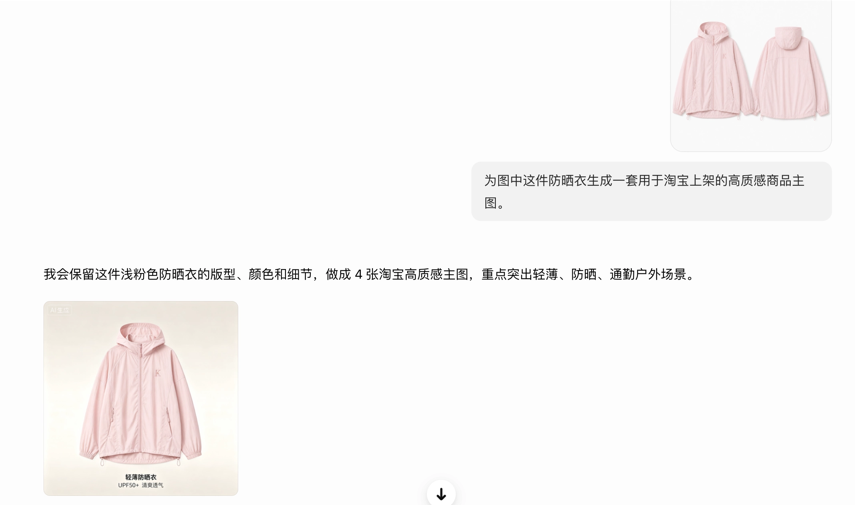
With the same prompt, the images generated by ordinary AI are very mediocre and do not quite fit the platform's tone.
Let's try generating a set of Amazon main images again.
Prompt: Generate another set of Amazon main images.
WaClaw will reorganize the image generation plan according to platform rules and regenerate 1:1 main images according to the requirements of Amazon's clothing category. Switching between different platforms is very smooth.
This time it consumed 24 credits. Let's take a look at the final generated results:
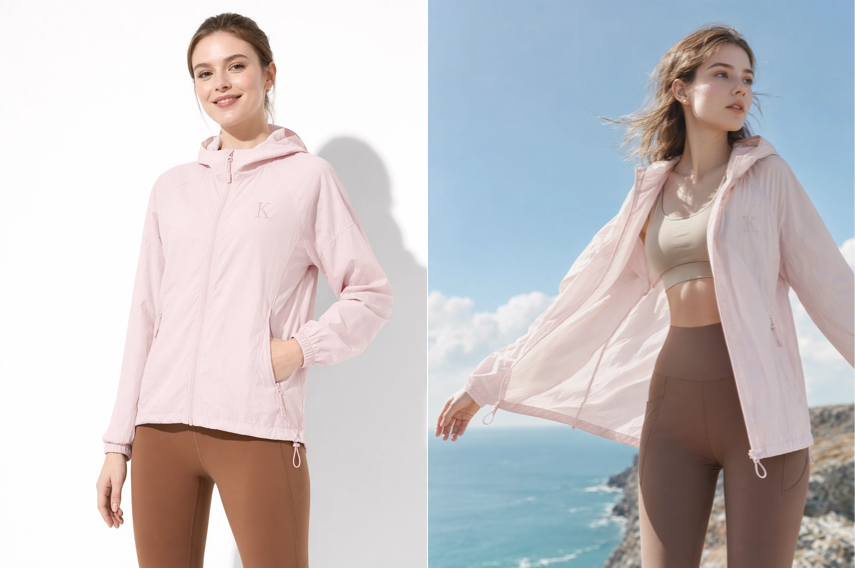
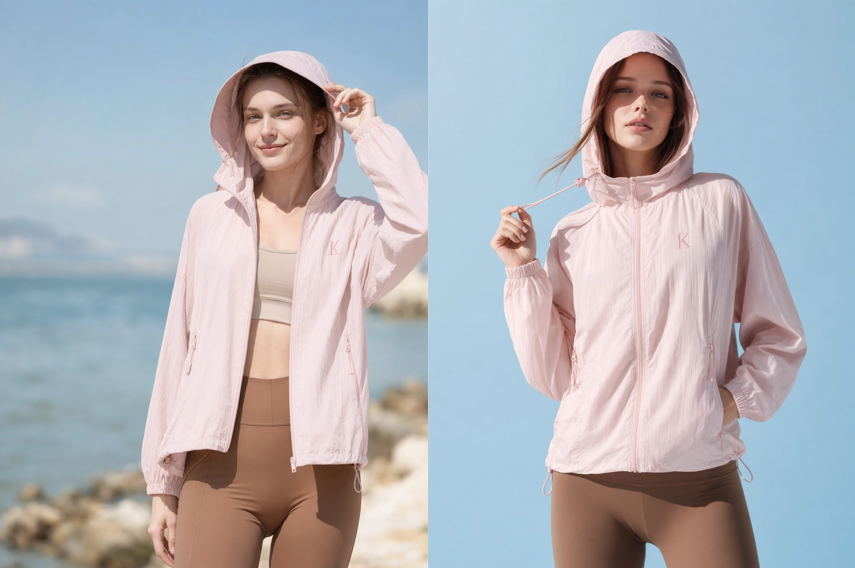
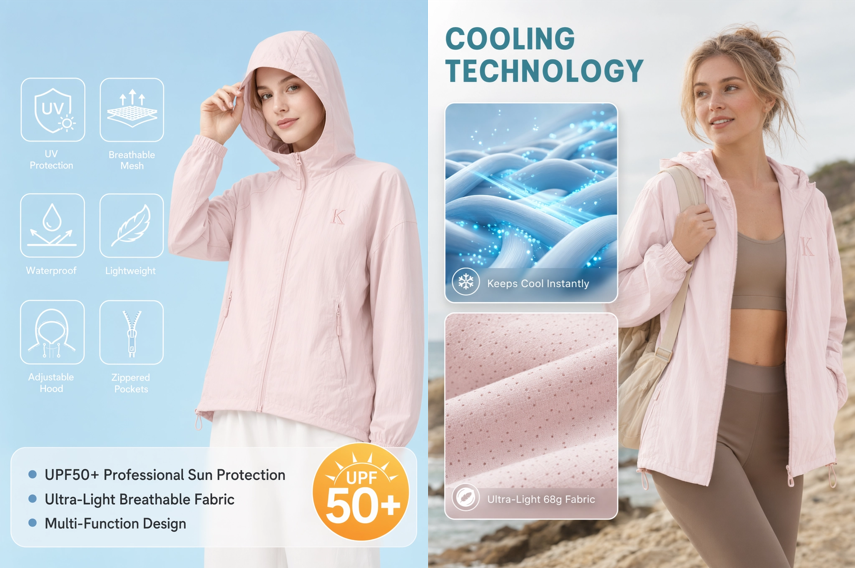
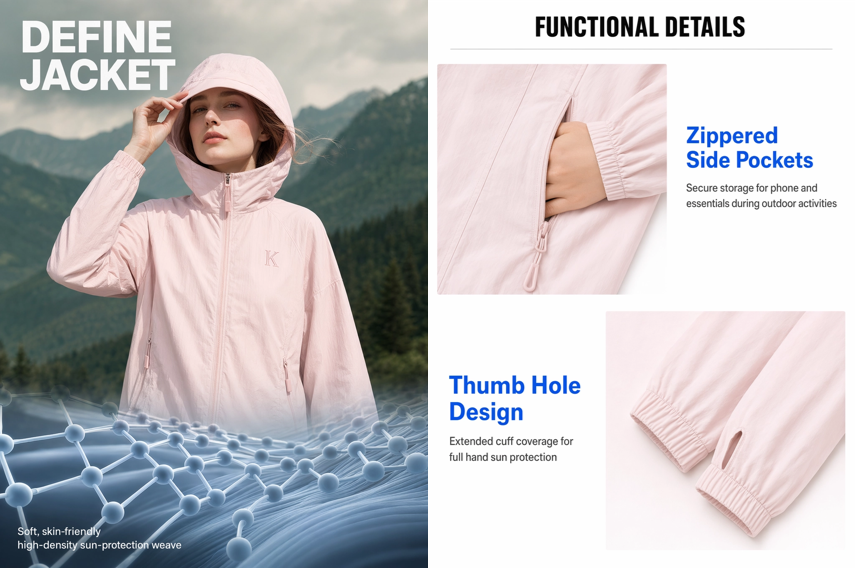
The person was switched to a European or American model, the copy was also changed to English, and the overall visual effect was switched to an Amazon style.
WaClaw can automatically incorporate platform rules into image generation requirements and generate matching assets.。
For the same product moving from Taobao to Amazon, there is no need to find a new team to plan, shoot, and produce English-language assets. You only need to add one requirement, and you can quickly get a first draft set of product images that matches overseas consumers' browsing habits.
Multi-pose model images
Model images are also a high-frequency need for e-commerce images, especially in the apparel category. Real model shots directly affect consumers' first impression of a product and can even affect product conversion.
But model images are not just about finding a good-looking model to wear the clothes.
If a brand has a fixed visual style, or if we want to reference a certain store's models, scenes, and lighting tone, we can first send reference assets to WaClaw to learn from, and then generate model images.
We click on the file in the list on the left.
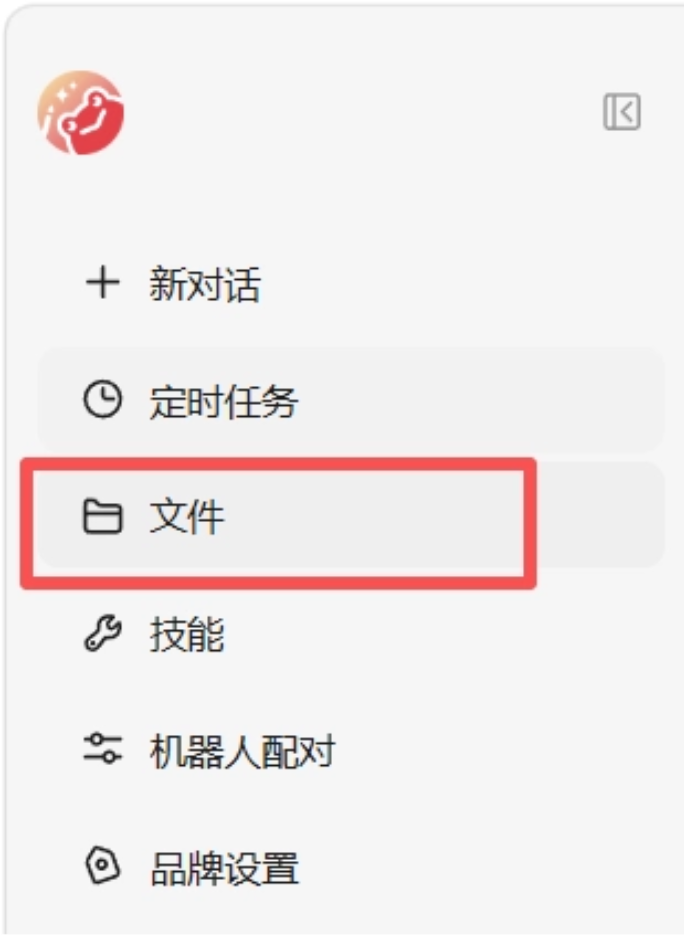
You can copy a Taobao link, and WaClaw will automatically recognize all the images in the link, including the main image, detail images, and so on.
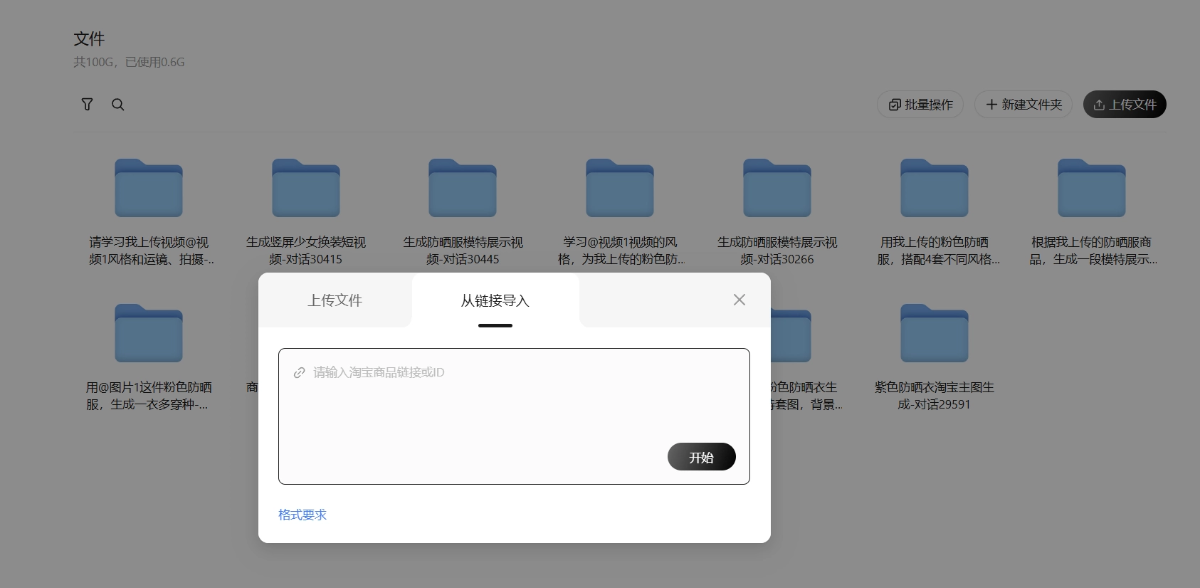
In the conversation, we ask WaClaw to learn the style first, and then generate images. Each time, you can select up to 10 assets as references.
Prompt: The model image style of my store is like this @Image1 @Image2 @Image3 @Image4 @Image5 @Image6 @Image7 @Image8 @Image9 @Image10. Please learn the detail images of this group. Please learn the overall style of this group of images, including the model, matching accessories, lighting, background, composition, etc. Later, when given clothes and a model, generate model images with a consistent style that can be used for the store.
WaClaw will fully understand the store style and product characteristics, and generate model images consistent with our brand's overall visual style.
This task consumes 30 credits, and the composition and lighting are close to the learned style.
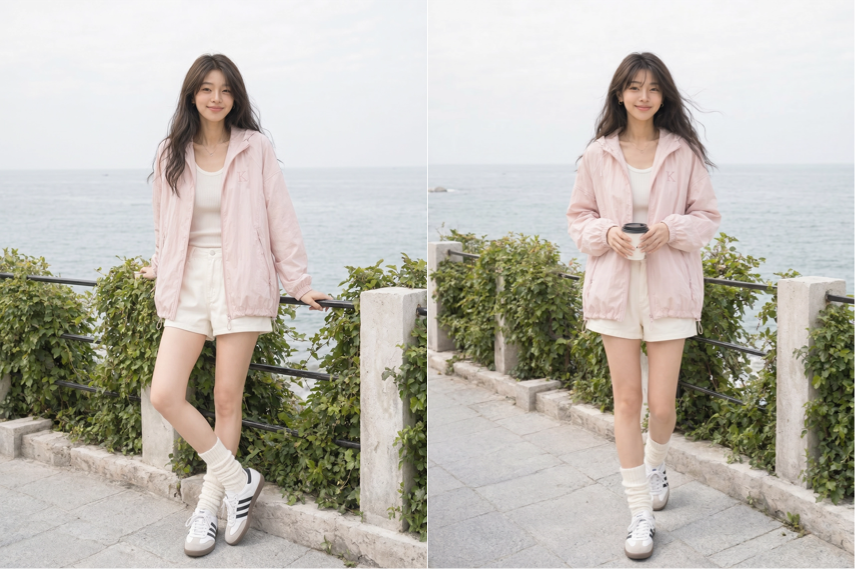
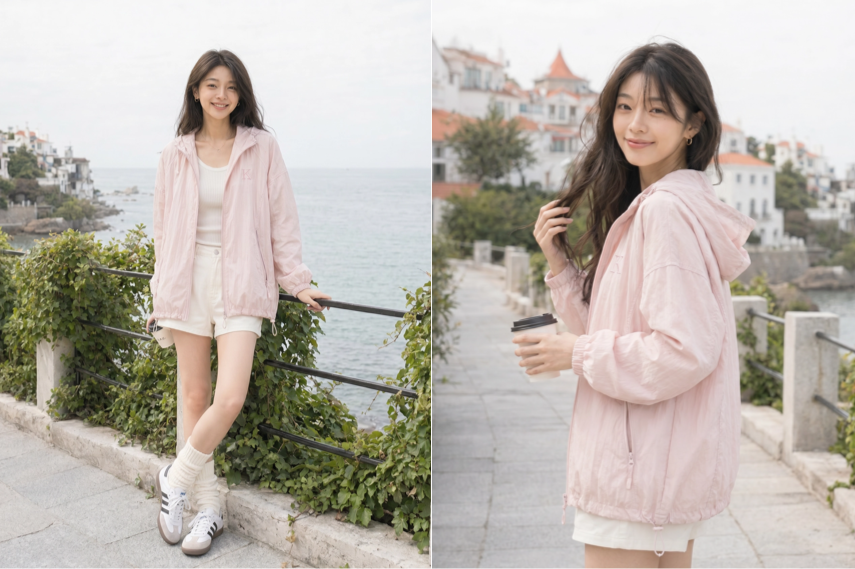
In the past, when using AI for images, in order to maintain consistent brand tone, it was necessary to constantly fine-tune and try different prompts. Now by directly providing reference images for the AI to learn from, the operational threshold has been lowered quite a bit.
WaClaw also has a very practical small feature.
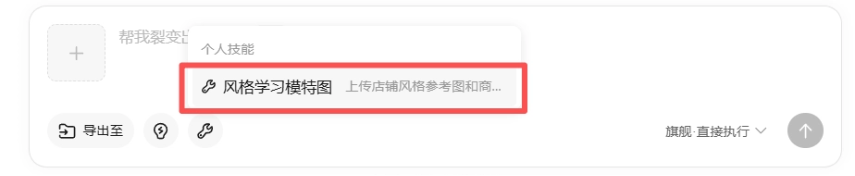
If you are satisfied with the generated result, we can directly click in the upper right corner of the conversationSave as Skill。
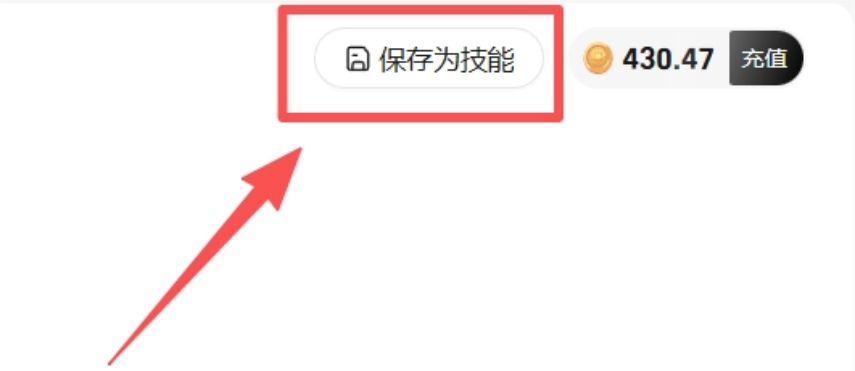
WaClaw will retain the entire process from this conversation. Platform specifications, model style, image ratio, product display method, and the details we adjusted will all become parameters that can be reused next time.。
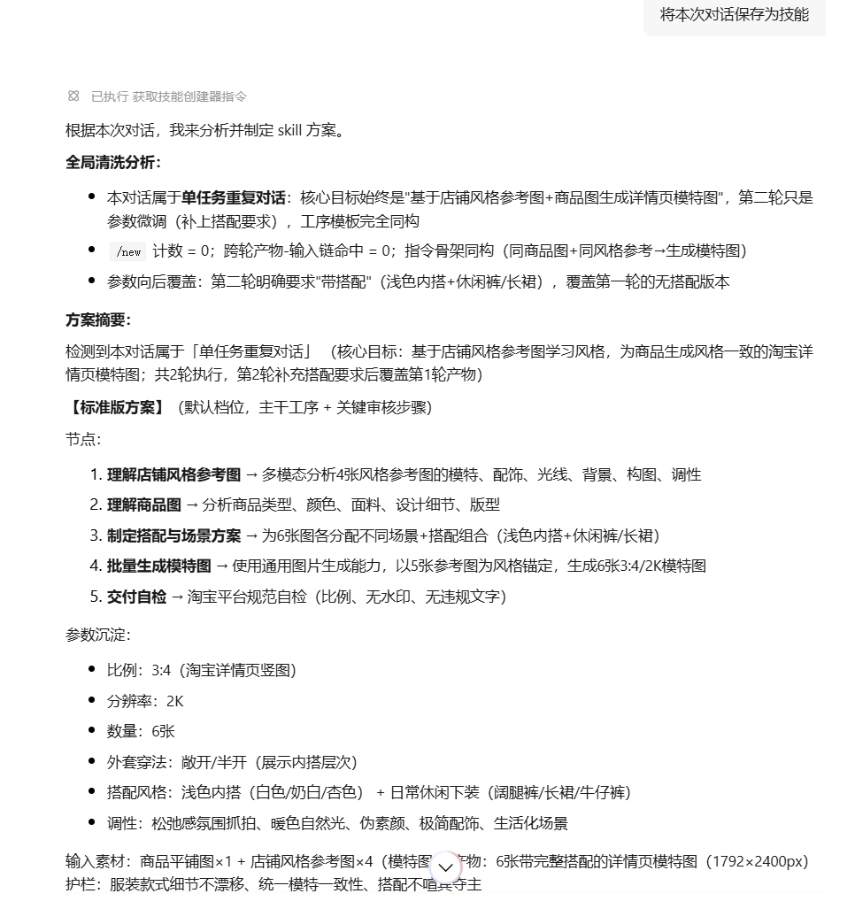
In the future, when there are similar products, we can directly select this skill and upload new images to generate the same type of assets in batches.
Generate product detail page
The detail page not only needs to be visually appealing, but also needs to carry structured information, and it also needs to understand user needs and display the key points users care about.
We can also directly learn the detail page layout of hit products:
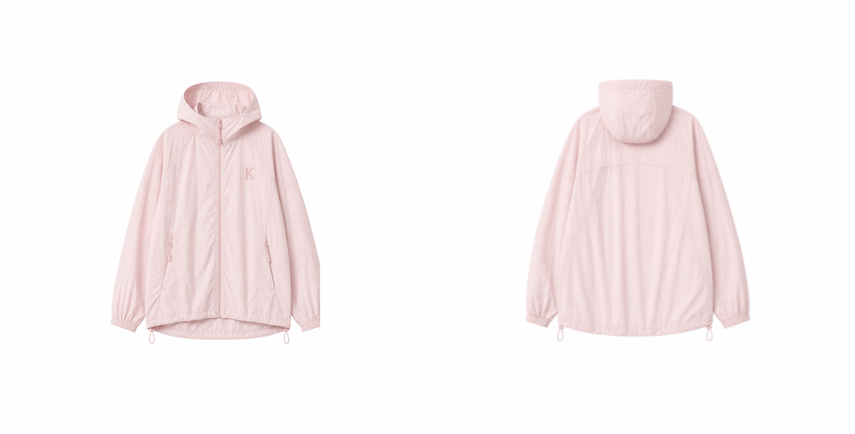
Prompt: @Image3 is my model, @Image1 @Image2 are my products, and @Image4 is the layout of the product detail page I want to reference (collage). Help me break it down into the generation of multiple single images, give a generation plan, and pay attention to the generation ratio of each image. If both text and images are needed, it also needs to be carefully planned.
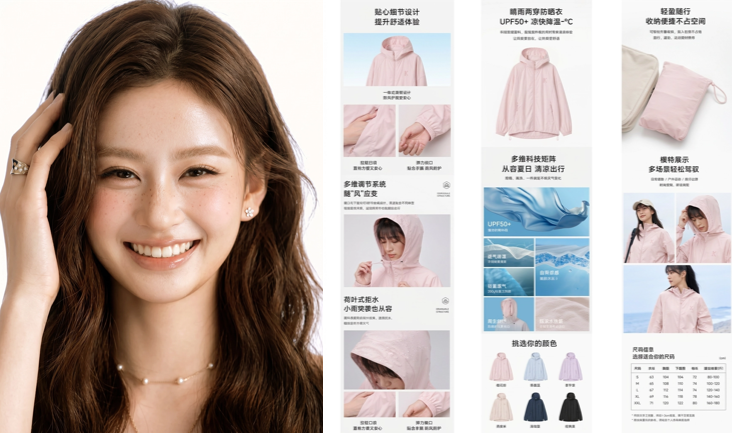
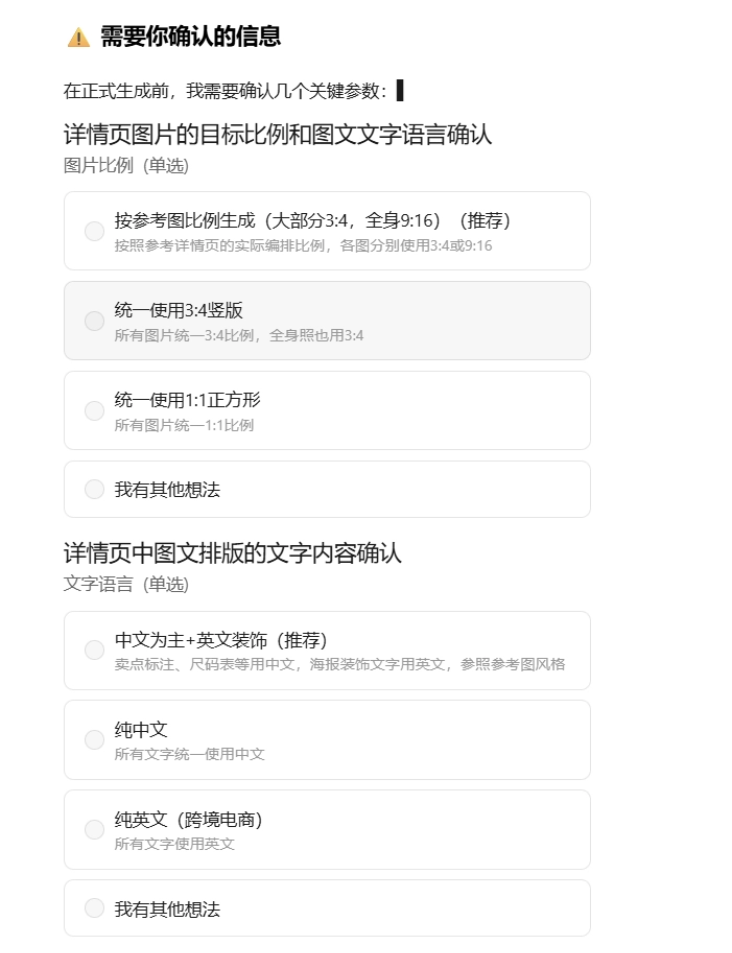
WaClaw parsed the layout structure of the reference image and planned according to different sections. Before actual generation, it will first provide a planning outline and confirm key parameters with us.
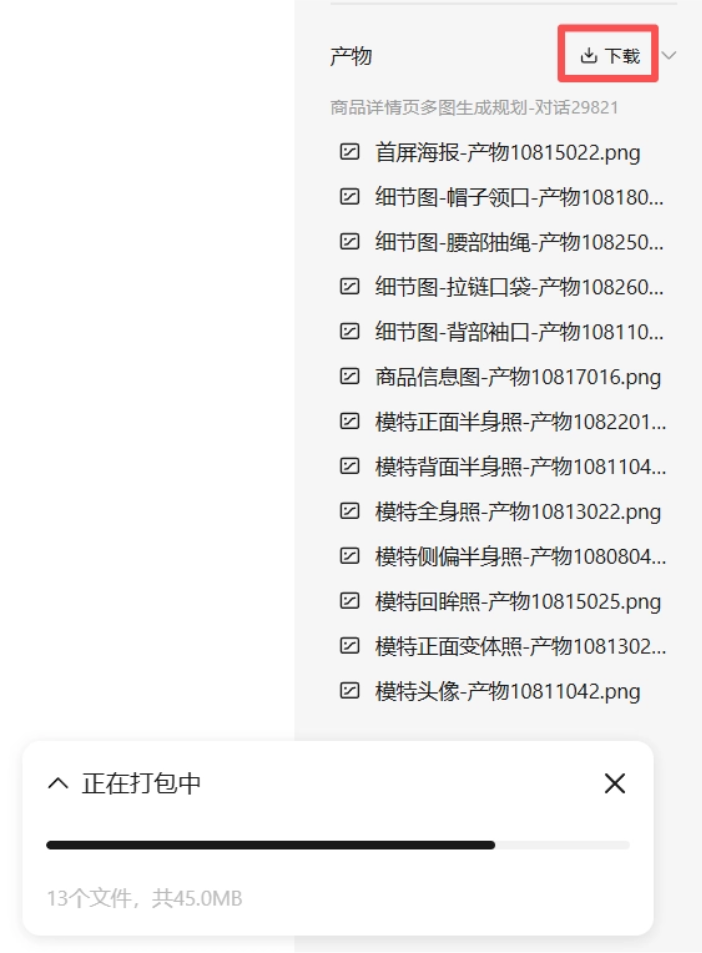
All generated assets support one-click batch download:
We can also directly ask WaClaw to stitch and generate a complete long detail page image.
This task consumes a total of 120 credits.
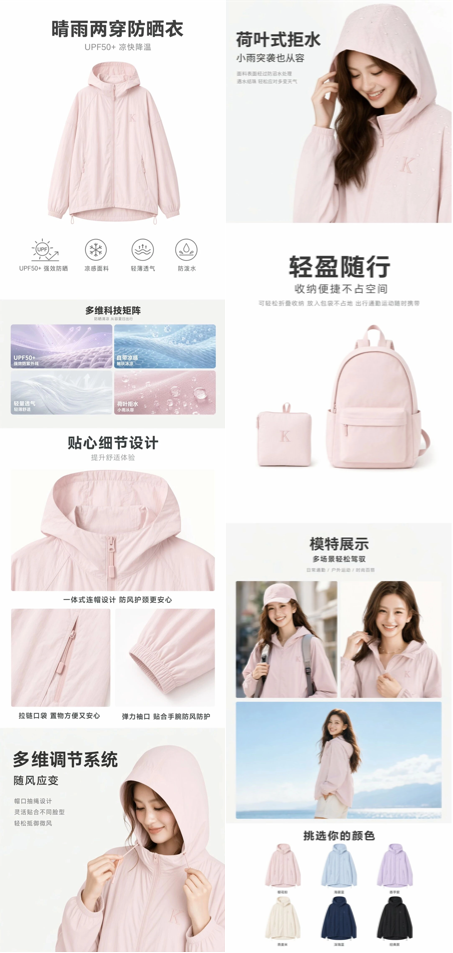
Previously, for a product detail page, you first had to find reference templates, retouch images one by one, and go through several rounds of revisions. One product detail page took a designer most of a day. During bulk new product launches and major promotions, this process easily became the capacity bottleneck for the entire team.。
Now WaClaw can directly learn from excellent templates and produce them for us in just a few minutes. The efficiency improvement is still very obvious.。
For the need to produce detail pages in bulk, there is no need to worry about being limited by capacity.
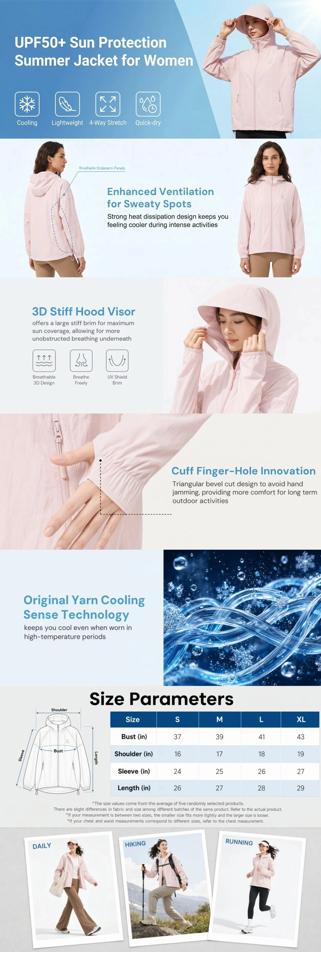
The same method is also suitable for making Amazon A+ images:
Off-site seeding materials
Many merchants use AI to make images that at first glance look high-end but are cold advertisements, and it is very difficult to gain exposure on social media.
WaClaw can distinguish the differences in visual language between commercial display on e-commerce platforms and lifestyle sharing on social platforms, and by adjusting lighting, camera angle, and composition, generate images that match the platform's tone.。
Prompt: Use @Image 1@Image 2, this pink sun-protection jacket, to generate a set of 4 outfit-of-the-day seeding images for one garment worn multiple ways. The 4 images use the same model @Image 3, in the same indoor scene (white wall, wood-grain floor, white window on the left, bright soft natural light). The overall style is Xiaohongshu outfit blogger seeding image style, gentle and fresh, with a bright and harmonious color tone.
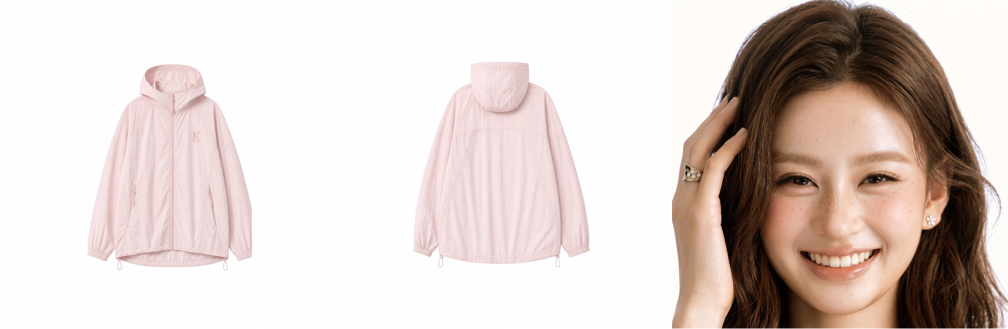
This round of tasks consumed 72 credits. Let's take a look at the generated results together:
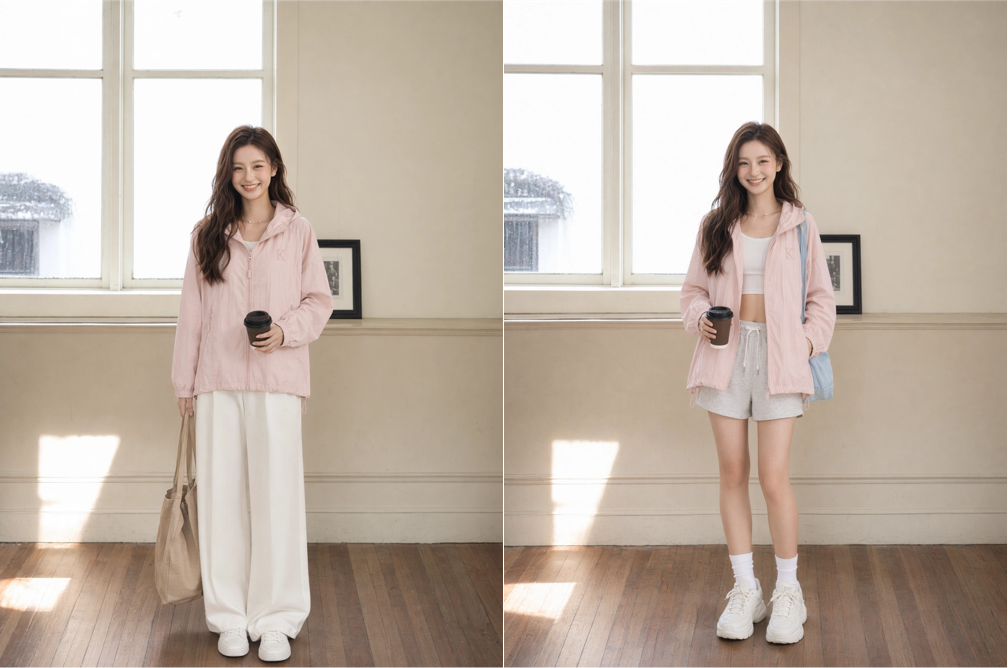
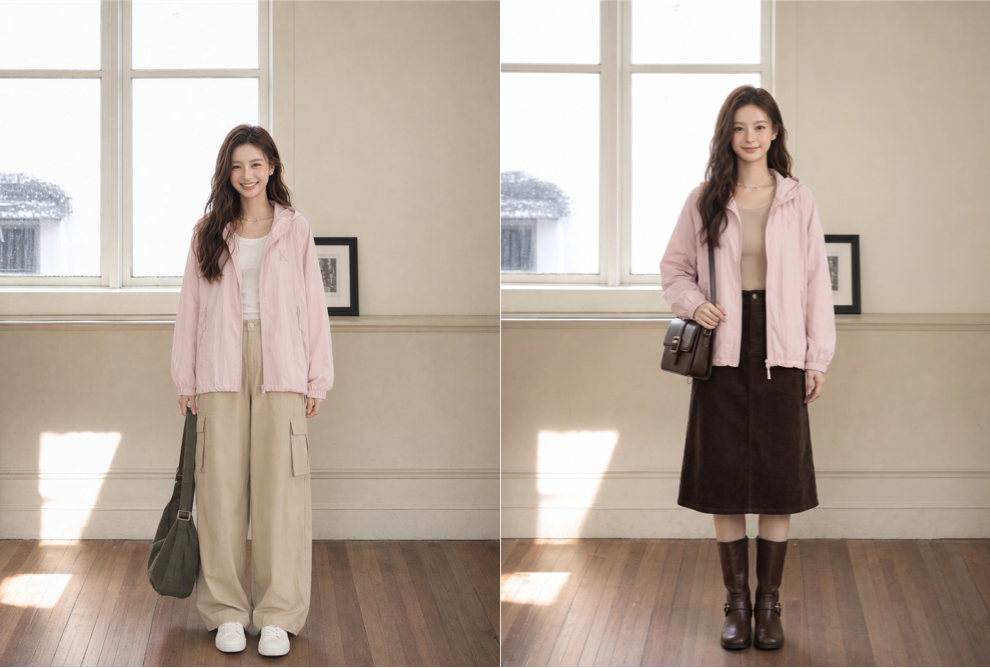
The scene and style are kept very consistent, and the overall effect is close to an influencer's selfie, relaxed and natural.
In the past, if we wanted to collaborate with influencers, we had to contact them, communicate about schedules, send samples, and also handle post-production.
Now we only need to provide product images and a reference style, and WaClaw can generate a batch of influencer seeding materials in a few minutes. For influencer placements and social media content, there is also more low-cost room for trial and error.
Mixed-cut video
In addition to static images, video materials are also an indispensable part of operations. For social platforms and short video channels, fast-paced mixed-cut videos are more suitable.
Prompt: Generate a 9:16 vertical-screen outdoor cycling seeding video: a short-haired girl wearing a pink hooded sun-protection jacket and white shorts, riding a white bicycle through a summer tree-lined park. The camera switches from a frontal full-body tracking shot to medium close-ups and detailed close-ups, showing in sequence the adjustable hood cord, smooth zipper, lightweight breathable fabric, chest embroidery, and adjustable hem, and finally ends with a distant cycling shot from behind. Overall fresh and natural, close to real phone-shot footage, with smooth camera movement, paired with light upbeat music and concise Chinese subtitles.
This task consumed 150 credits. Let's take a look at the final generated result together:
The model's full-body display and detailed close-ups are very realistic, and the overall rhythm and transitions between shots are very natural. For apparel products, this kind of dynamic display is more persuasive than static images.
Seeding video
Outfit videos that bloggers are all making on social platforms can also be generated directly.
Prompt: Based on the 4 uploaded outfit set images and model images, generate a vertical-screen girly-style outfit-change short video: the same model with the same sweet makeup, scenes rotating, and in each scene the model either stands smiling facing forward or sits and shows the outfit from the side. Overall bright, high-saturation Korean film girly feel.
This task consumed 120 credits. Let's take a look at the generated result together:
The consistency of the person and clothing is maintained very well, and background music is automatically added. In just a few minutes, a clearly structured outfit video sample can be produced.
Usually, booking a model to shoot an outfit video costs several hundred yuan, while in WaClaw 120 credits gets it done, costing less than one-tenth of a real shoot.
02. Some sharing
One person + WaClaw, all the graphics, text, and videos for a store's entire season of new arrivals done for 9.9 yuan。
Normally, when using different AI tools to create e-commerce materials, you first have to lay out all kinds of detailed rules and key points like training a new hire, and the quality of the finished product is still very random and may not match your store's style.
Through its self-developed models and scenario orchestration, WaClaw is like an experienced veteran employee. It can not only understand the compliance and hit-product logic of different platforms such as Taobao, Amazon, and Xiaohongshu, but also lock in the brand's visual DNA.
The most stunning thing is that WaClaw can also learn and accumulate experience.
Through conversation, we can save the highlights of hit cases and proven workflows as Skills, turning them into experience that can be reused at any time.
In the past, maintaining a consistent visual style over the long term was often a capability only big brands had. WaClaw will learn a store's color palette, composition, and copywriting habits, so ordinary people can also gain brand-level visual productivity at low cost.
An individual who understands strategy and has aesthetic sense, paired with an AI Agent that understands e-commerce, can unleash the output energy of an entire mid-sized team.
This forces e-commerce practitioners to free themselves from tedious mechanical execution and truly focus their energy on irreplaceable decision-making cores such as user insights, product selection planning, and traffic operations.
Original link:The AI flavor that e-commerce images fear most has been solved by WaClaw