
What is VersaGen
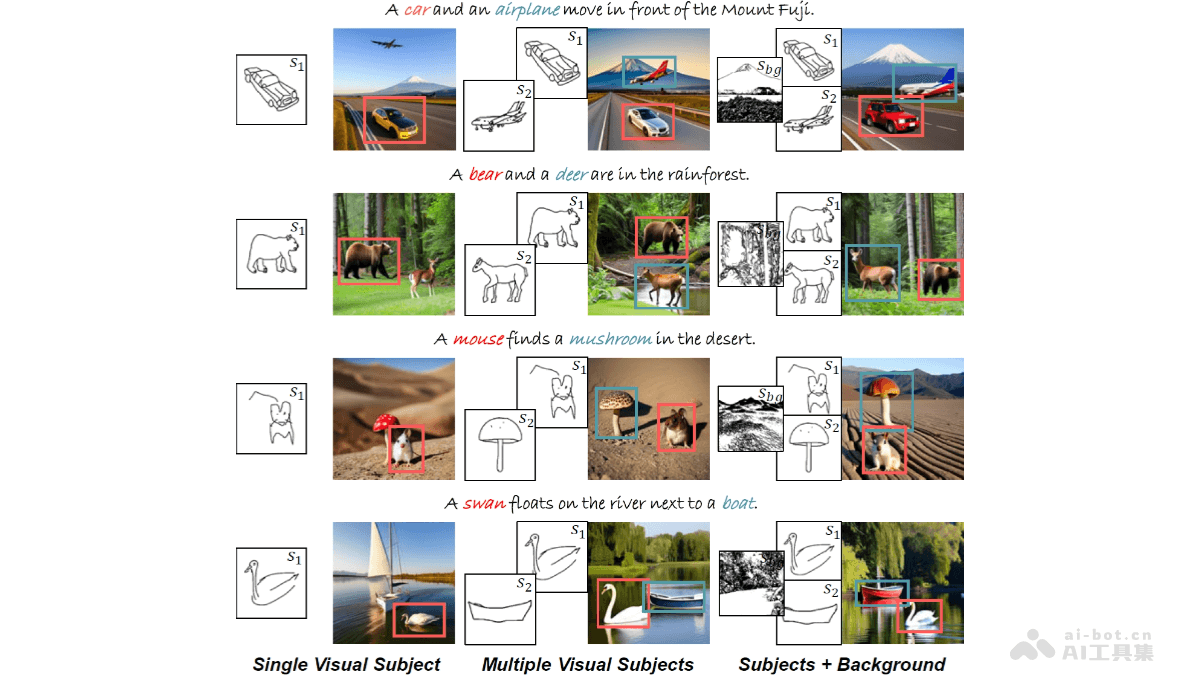
VersaGen is a generative AI agent for text-to-image synthesis that enables flexible visual control capabilities. VersaGen can handle multiple types of visual control, including a single visual subject, multiple visual subjects, scene backgrounds, and any combination of these elements. By training adapters on existing text-dominant diffusion models, VersaGen successfully integrates visual information into the image generation process. VersaGen introduces optimization strategies to improve the quality of generated images and the user experience. VersaGen's flexibility and inclusiveness allow users to choose the level of control according to their needs and preferences, making the creative process more enjoyable.
VersaGen's Main Features
- Diverse Visual Control: Supports users in generating images through four types of visual control, including a single visual subject, multiple visual subjects, scene backgrounds, and any combination of these elements.
- Adapter Training: Trains adapters on text-to-image (T2I) models to integrate visual information into the text-dominant diffusion process.
- Optimization Strategies: Introduces three optimization strategies during the inference stage to improve generation results and enhance the user experience.
- User-Friendly Interaction: Through intuitive input methods and powerful generation capabilities, improves user efficiency and satisfaction in the image generation process.
VersaGen's Technical Principles
- Foundation Generation Model (FGM): Uses Stable Diffusion as the foundation generation model, responsible for text-to-image generation.
- User Drawing Encoder (UDE): Processes user-input drawings, encoding mixed drawings into latent representations, which are used to update a trainable copy of the foundation generation model for fine-tuning.
- Multimodal Conflict Resolver (MCR): Resolves potential conflicts between user drawings and text prompts during the inference stage, ensuring that the generated images can integrate consistent information from different modalities.
- Visual Grounding: Based on the semantic segmentation capability of the T2I model, automatically locates the visual control elements provided by the user in the appropriate local context.
- Inference Optimization: Includes multi-object decoupling and adaptive control strength strategies, adapting to real-world applications and addressing the diversity and imprecision of user inputs.
VersaGen's Project Address
- GitHub Repository:https://github.com/FelixChan9527/VersaGen
- arXiv Technical Paper:https://arxiv.org/pdf/2412.11594v2
VersaGen's Application Scenarios
- Creative Design: Designers quickly transform creative concepts into visual images, used in graphic design, illustration creation, and more.
- Digital Art: Artists generate unique digital artworks, exploring new artistic styles and forms of expression.
- Advertising and Brand Marketing: Marketing teams create attractive advertising images and marketing materials, conveying brand information in a more intuitive way.
- Game Development: Game developers generate concept art for in-game characters and scenes, accelerating the game design and development process.
- Film and Television Production: Generates concept art for movie scenes in film and television production, helping directors and production teams preview the final visual effects.