
What is Matrix-Zero
Matrix-Zero is a world model launched by Kunlun Wanwei, comprising two sub-models: a 3D scene generation large model and an interactive video generation large model. Matrix-Zero can transform user-input images into freely explorable realistic 3D scenes, support image inputs of different styles and style transfer, and features highlights such as global consistency and dynamic scene generation. The interactive video generation model of Matrix-Zero centers on user input, supports precise control of viewpoint and motion trajectory, and provides a smooth interactive experience. The Matrix-Zero world model is expected to launch in April, further empowering businesses such as AI game production and AI short drama production and editing, bringing new platforms and tools to users and developers.
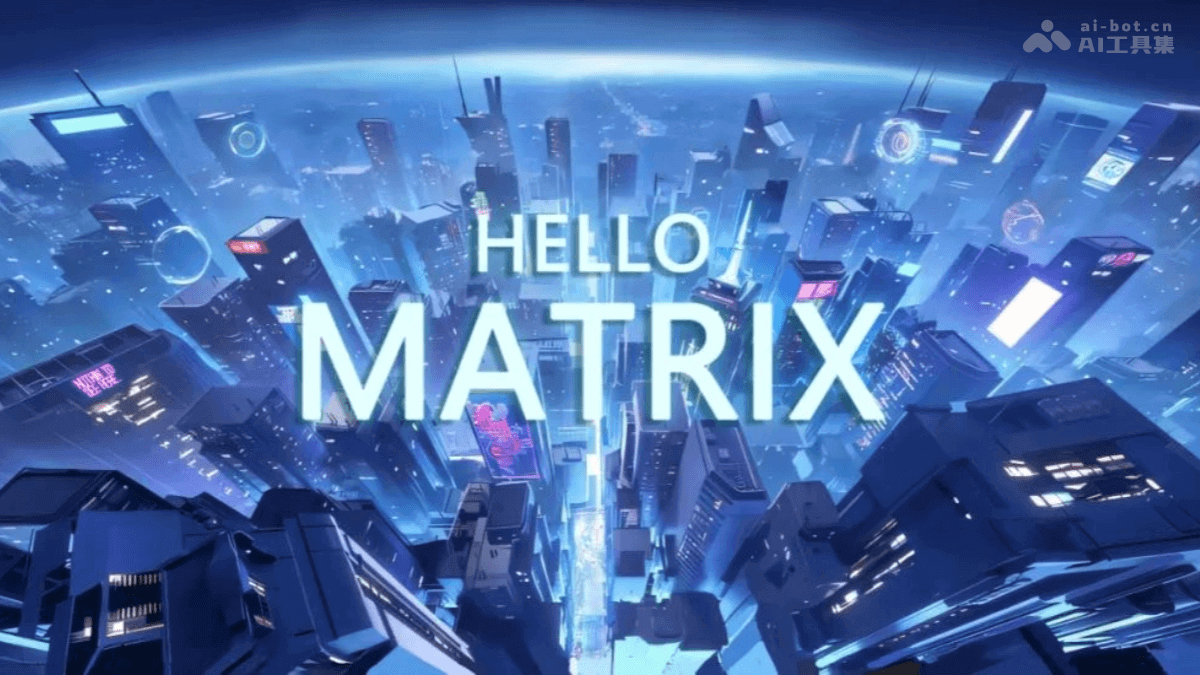
Main Features of Matrix-Zero
- 3D Scene Generation:
- Global Consistency: The generated 3D scene remains consistent during 360-degree surround viewing or long-distance exploration, without contradictions before and after.
- Style Transfer: Supports image inputs of different styles (such as realistic, cartoon), and enables style switching.
- Dynamic Effects: The generated scene includes dynamic physical effects, such as lighting, water flow, clouds and mist, in line with real physical laws.
- Large-Scale Exploration: Users can conduct long-distance exploration in any direction within the generated scene, with support for switching among multiple viewpoints.
- Interactive Video Generation:
- Real-Time Interaction: Users can control the viewpoint and motion trajectory of video content through keyboard, mouse, and other devices.
- Precise Control: Includes discrete motion control (such as forward, backward, jump) and continuous viewpoint control (such as viewpoint changes, direction adjustment).
- Position Tracking: Based on three-dimensional spatial positioning technology, ensuring the naturalness and coherence of viewpoint movement.
- Sliding Window Mechanism: Introduces historical input information to optimize the smoothness and response speed of interaction.
Technical Principles of Matrix-Zero
- Technical Principles of 3D Scene Generation:
- Differentiable Rendering: Supports the model in using backpropagation to learn how to generate the geometric structure of a 3D scene from an input image. Through differentiable rendering, the model optimizes the generated 3D scene to remain visually consistent with the input image, ensuring the global consistency and physical plausibility of the scene.
- Diffusion Model: Gradually removes noise to generate data (such as images or 3D scenes), and during the generation process gradually recovers the target content from noise. Used to generate high-quality 3D scene layouts and textures, ensuring that the generated scene matches the features of the input image in both details and overall structure.
- Geometry Generation Module and Texture Generation Module:
- Geometry Generation Module: Uses differentiable rendering and diffusion model technology to generate a 3D scene layout consistent with the input image.
- Texture Generation Module: Trained based on image generation models and video generation models, it performs real-time geometric and texture completion of missing areas in the scene, ensuring that users can see a reasonable and consistent scene from any position and angle.
- Dynamic Effect Generation: Simulates the dynamic changes of physical laws (such as lighting, water flow, clouds and mist), generating dynamic scenes that conform to real physical laws. This makes the generated 3D scene more realistic and enhances the sense of immersion.
- Technical Principles of Interactive Video Generation:
- Multimodal Interaction Technology: By combining user inputs (such as keyboard and mouse operations) with generative models, real-time interactive control over video content is achieved. Users can adjust video content in real time with simple operations (such as moving forward, moving backward, and switching viewpoints), enhancing the interactive experience.
- Discrete Motion Control and Continuous Viewpoint Control:
- Discrete Motion Control Module: Parses discrete control signals input by the user (such as moving forward, jumping, and moving backward), converts them into motion trajectories, and affects the behavior of objects in the video.
- Continuous Viewpoint Control Module: Parses continuous control signals from a mouse or other input devices (such as viewpoint changes and direction adjustments), ensuring smoothness and consistency in viewpoint transitions.
- 3D Scene Position Tracking: Based on three-dimensional spatial positioning technology, it tracks the user's position and viewpoint changes in the scene in real time. It ensures position stability during viewpoint movement, reduces screen jumps, and makes video content more coherent.
- Sliding Window Mechanism: Introduces historical input information from time series to predict the user's next operation and optimize the smoothness of control responses. It improves interaction fluency, reduces input latency, and enhances the user experience.
- Reinforcement Learning and Optimization: Based on reinforcement learning algorithms, the model can continuously optimize generated results to better align with the user's interaction intent and physical laws. It improves the quality of generated content and the naturalness of interaction, ensuring that the generated 3D scenes and videos maintain consistency and plausibility amid dynamic changes.
Application Scenarios of Matrix-Zero
- Film and Television Production: Rapidly generates virtual scenes, simulates dynamic effects, and improves production efficiency and visual experience.
- Game Development: Efficiently generates 3D scenes and dynamic content, enhancing the realism and immersion of games.
- Embodied Intelligence: Builds realistic virtual environments for the training and testing of intelligent agents.
- Digital Content Creation: Supports AI short dramas, virtual livestreaming, and more, lowering the barrier to creation and improving efficiency.
- Education and Training: Builds virtual teaching environments and provides immersive simulation training.