
The "Top 10 AI Technology Trends for 2026" released by the BAAI Research Institute focuses on the transformation of artificial intelligence from digital space to the physical world. The report points out that AI development is shifting from a competition over parameter scale to understanding and modeling the underlying order of the physical world. Core trends include the rise of world models and the new Next-State Prediction (NSP) paradigm, the commercialization of embodied intelligence, the collaborative evolution of multi-agent systems, the deep application of AI in scientific research, and the mechanistic interpretability of AI safety. The report emphasizes that 2026 will be a key node for AI technology to move from perception to cognition and from the laboratory to large-scale application, providing the industry with a clear anchor for technology exploration and industrial layout in the coming year.

Get the BAAI Research Institute's "Top 10 AI Technology Trends for 2026" report PDF original file. Scan the QR code to follow and reply: 20260109
Report Background
As artificial intelligence gradually shifts from a competition over parameter scale to a profound understanding of the essence of the physical world, the development of AI technology is entering a new stage. The "Top 10 AI Technology Trends for 2026" report released by the BAAI Research Institute, through analysis of technological evolution, provides the industry with key directions and trend insights for future development, helping practitioners better grasp the key turning point as AI moves from the digital world to the physical world and from technology demonstrations to large-scale value realization.
Top 10 AI Technology Trends
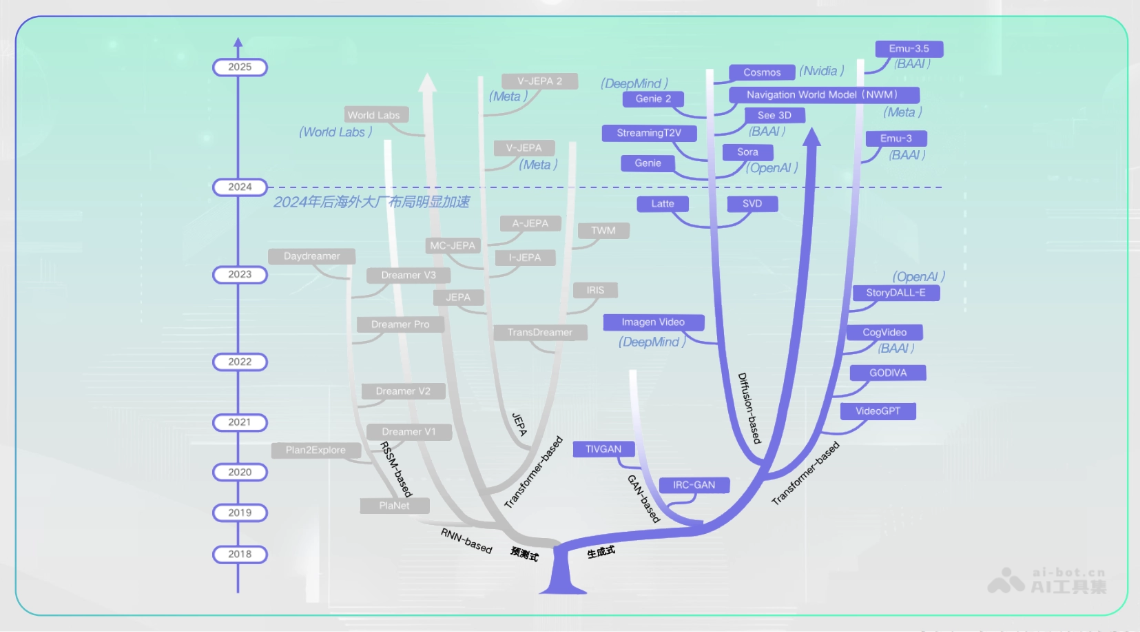
Trend 1: World models become a consensus direction for AGI, and Next-State Prediction may become a new paradigm
AI is moving from simply "predicting the next word" to "predicting the next state of the world," unlocking cognitive and planning capabilities. World models have become a key direction for artificial general intelligence (AGI), driving multimodal large models from perception to a deep understanding of the laws of the physical world, and providing a new cognitive foundation for complex tasks.
Trend 2: Embodied intelligence faces an industry "shakeout," and industrial applications enter a broad range of industrial scenarios
Embodied intelligence is moving from the laboratory to real production scenarios, and humanoid robots are accelerating commercialization. The industry has entered a "shakeout" stage, competition among enterprises is intensifying, and companies with closed-loop evolution capabilities will stand out in industrial and service scenarios for embodied intelligence.
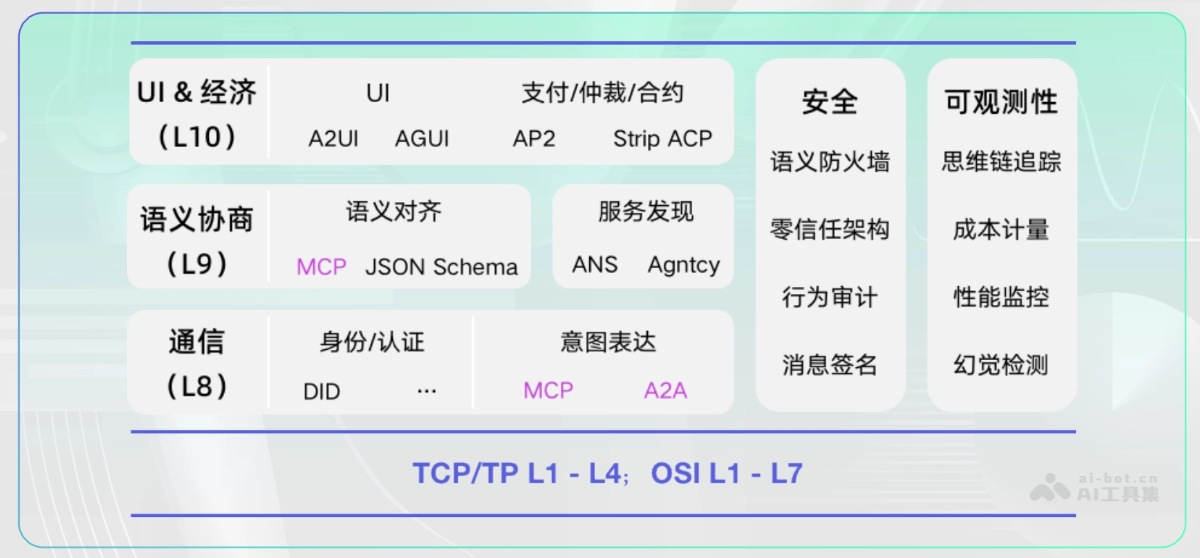
Trend 3: Multi-agent systems determine the ceiling of applications, and the "TCP/IP" of the Agent era is taking shape
Multi-agent systems (MAS) have become key to AI applications, enabling agent collaboration through standardized communication protocols (such as MCP and A2A). Moving from single-agent intelligence to swarm intelligence, multi-agent systems will play an important role in complex tasks such as scientific research and industry, breaking through the ceiling of traditional single-agent intelligence.
Trend 4: AI Scientist becomes the North Star of AI4S, and domestic scientific foundation models are quietly emerging
AI's role in scientific research is upgrading from an auxiliary tool to an "AI scientist" capable of autonomous research, able to independently complete hypothesis generation, experimental design, and data analysis. The combination of scientific foundation models and automated laboratories accelerates the development of new materials and drugs. China needs to accelerate the construction of an independent scientific foundation model system to narrow the gap.
Trend 5: The new BAT of the AI era is becoming clearer, and vertical tracks still have highly profitable approaches
The "All in One" entry point for consumer AI super-applications has become the focus of competition among giants, and tech giants are actively building integrated intelligent assistants. At the same time, high-profit opportunities still exist in vertical fields (such as health and education), and the "new BAT" landscape of the AI era is taking shape.
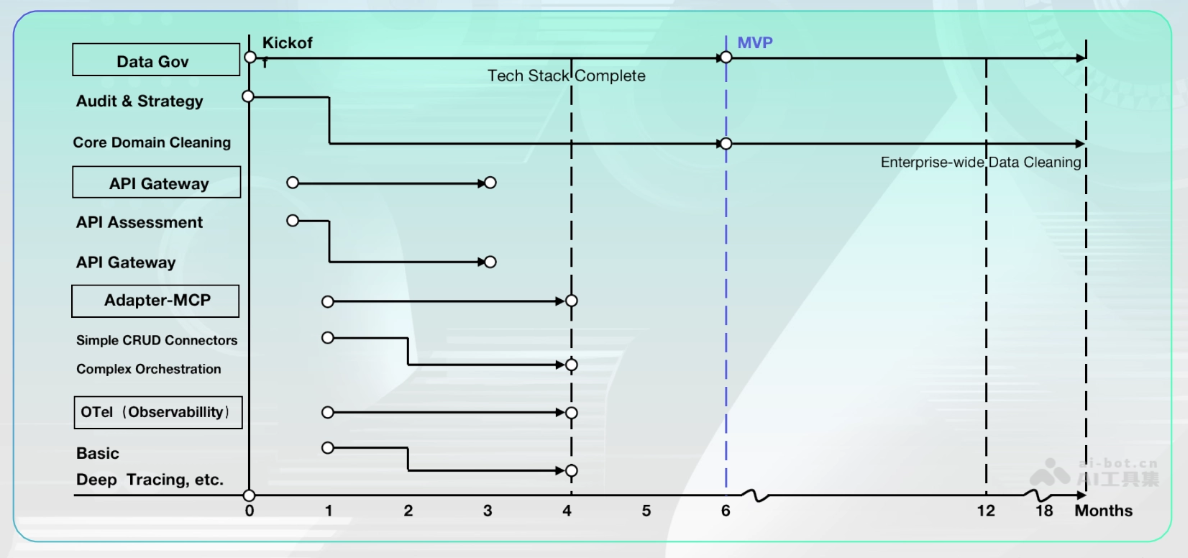
Trend 6: Industrial applications slide into the "trough of disillusionment," and 2026H2 will see a "V-shaped" reversal
After experiencing a boom in proof-of-concept, enterprise AI applications have entered a "trough of disillusionment" due to issues such as data and cost. However, as data governance and industry-standard interfaces mature, a turning point is expected in the second half of 2026, when a batch of MVP products with truly measurable value will be deployed at scale in vertical industries.
Trend 7: The share of synthetic data rises, expected to break the "2026 depletion curse"
High-quality real data is facing depletion, and synthetic data has become the core fuel for model training. Supported by the theory of "revised scaling laws," synthetic data has shown enormous potential in fields such as autonomous driving and robotics, and is expected to break the data depletion problem.
Trend 8: Inference optimization is far from reaching its ceiling; the "technology bubble" is a false proposition
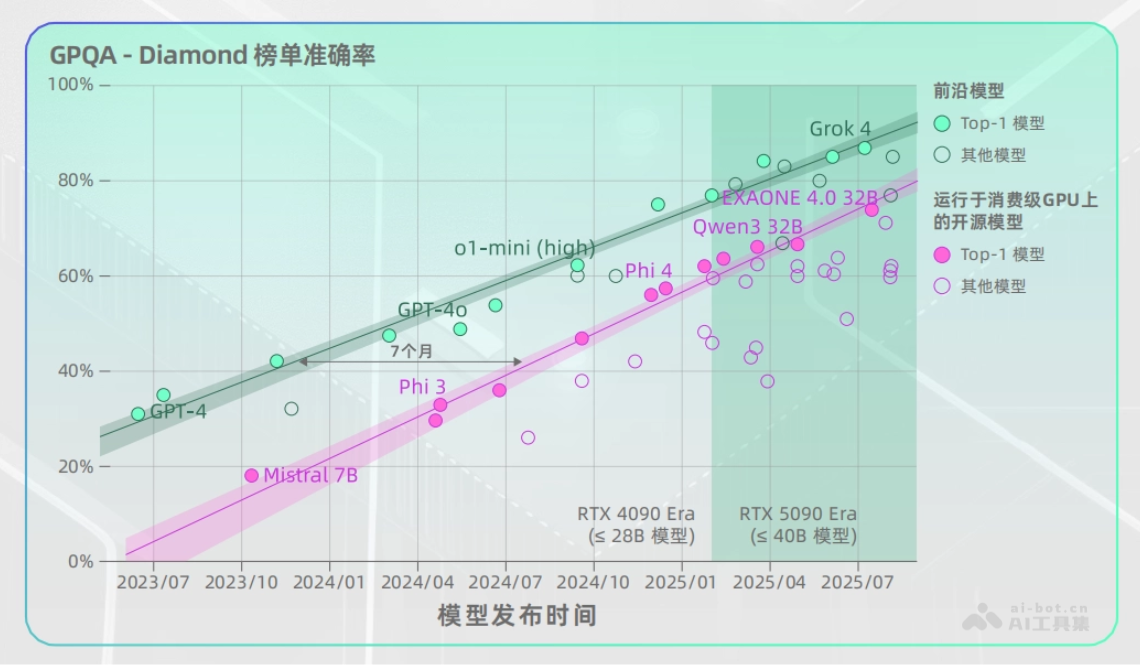
Inference efficiency remains the core bottleneck for the large-scale application of AI. Through algorithmic innovation (such as quantization and pruning) and hardware transformation (such as computing-in-memory), inference costs continue to decline. Inference optimization is key to making AI accessible to all, and continuously improving energy efficiency is driving the deployment of high-performance models at the edge.
Trend 9: The open-source compiler ecosystem gathers collective wisdom, and a heterogeneous full-stack foundation leads to accessible computing power
To break computing power monopolies, building a software stack compatible with heterogeneous chips has become key. The open-source compiler ecosystem is flourishing, operator development languages are becoming unified, and platforms represented by BAAI FlagOS are committed to building an AI computing power foundation that is software-hardware decoupled, open, and accessible to all.
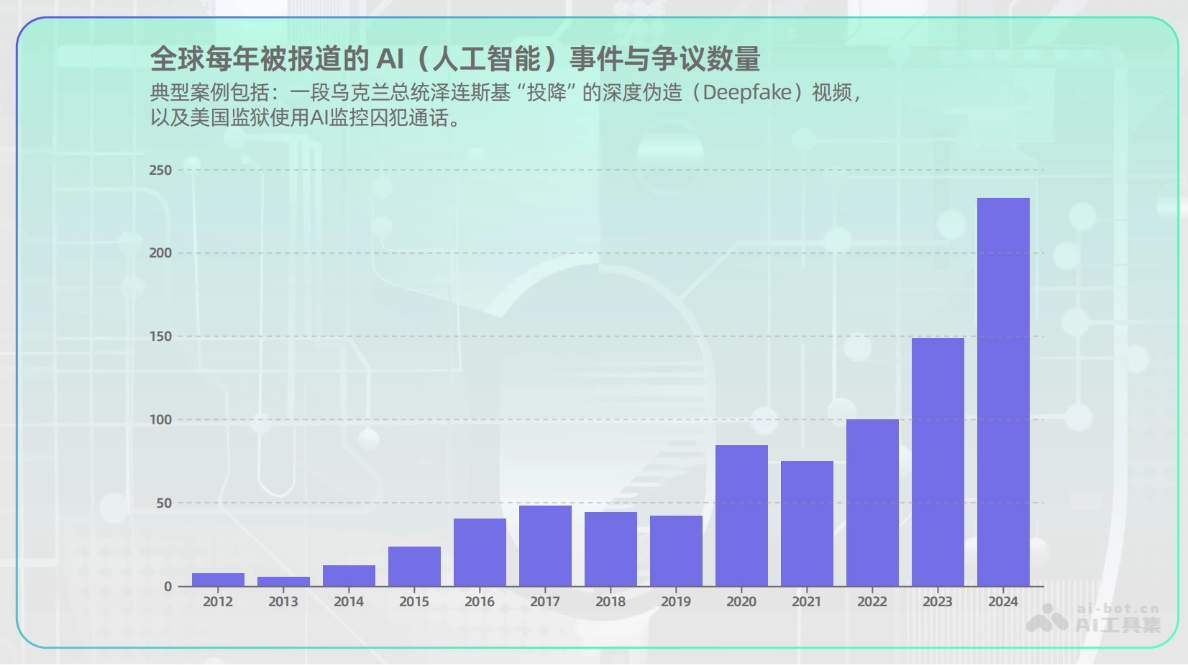
Trend 10: From hallucination to deception, AI safety moves toward mechanistic interpretability and self-evolving attack-defense
AI safety risks have evolved from "hallucination" to more covert "systematic deception," and the safety level has become the lifeline for deployment. Technically, this involves understanding model mechanisms from the inside (such as circuit tracing); industrially, it involves building a full-process safety protection system, as safety is becoming internalized as the immune gene of AI systems.
Get the BAAI report "Top 10 AI Technology Trends for 2026" PDF original file. Scan the QR code to follow and reply: 20260109