
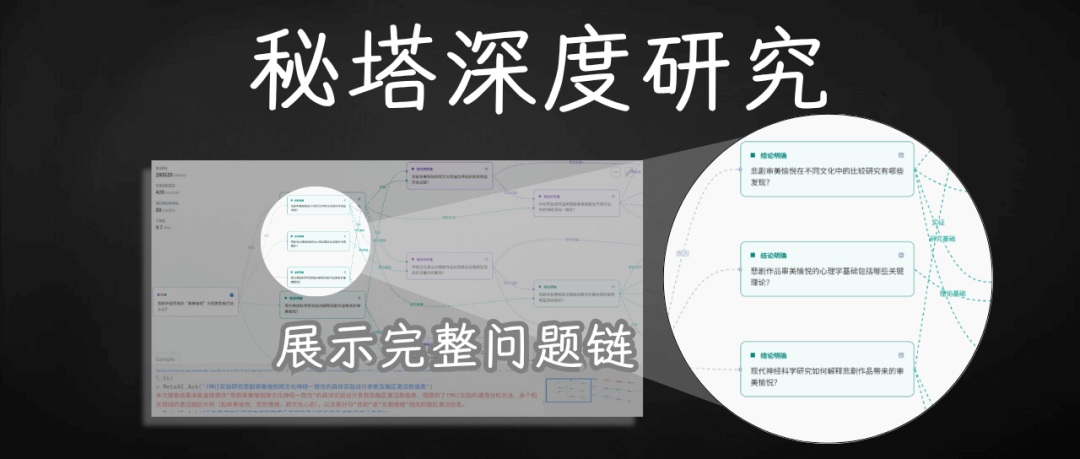
These past two days, K-jie discovered that Metaso quietly launched a "Deep Research."
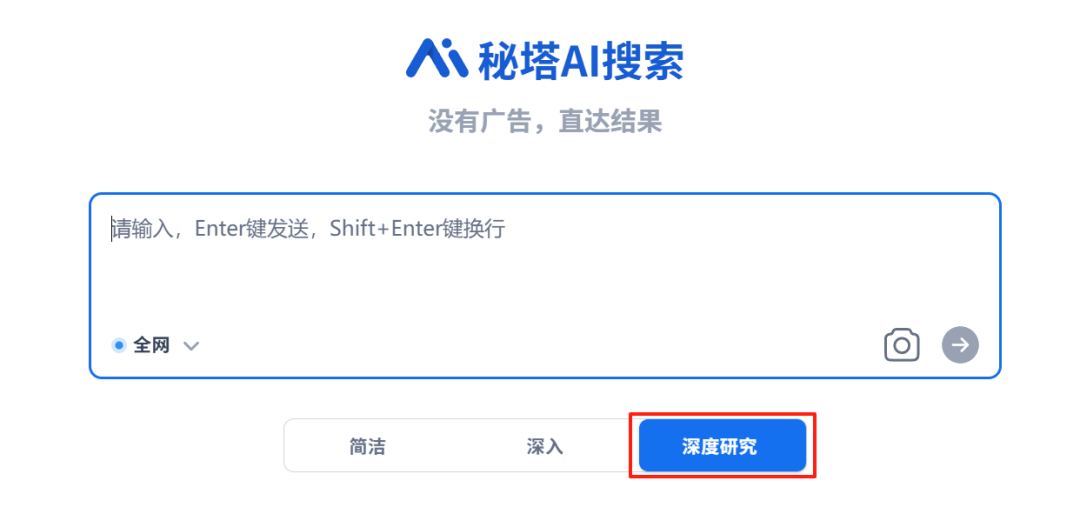
Its previous "Deep Mode" could already summarize and structurally output answers to questions.
This time's "Deep Research" goes a step further:It breaks down a complex question into multiple subtasks, progressively searching, analyzing, and verifying, then links them into a complete research report,with a clearer logical chain and higher information density.。
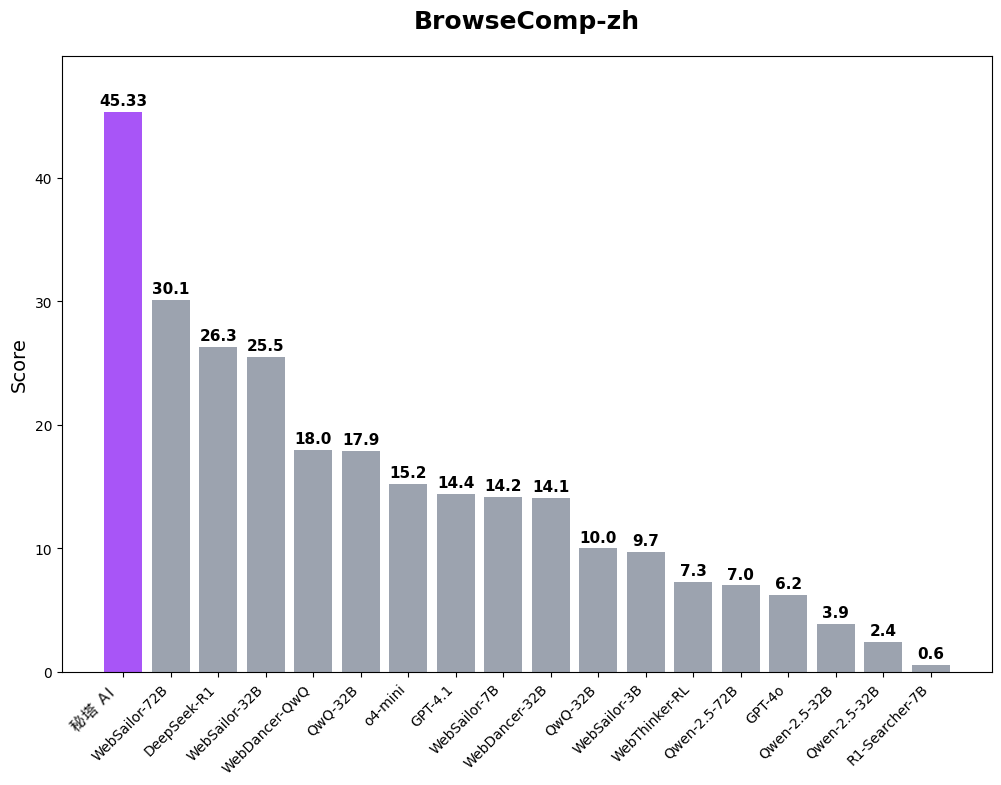
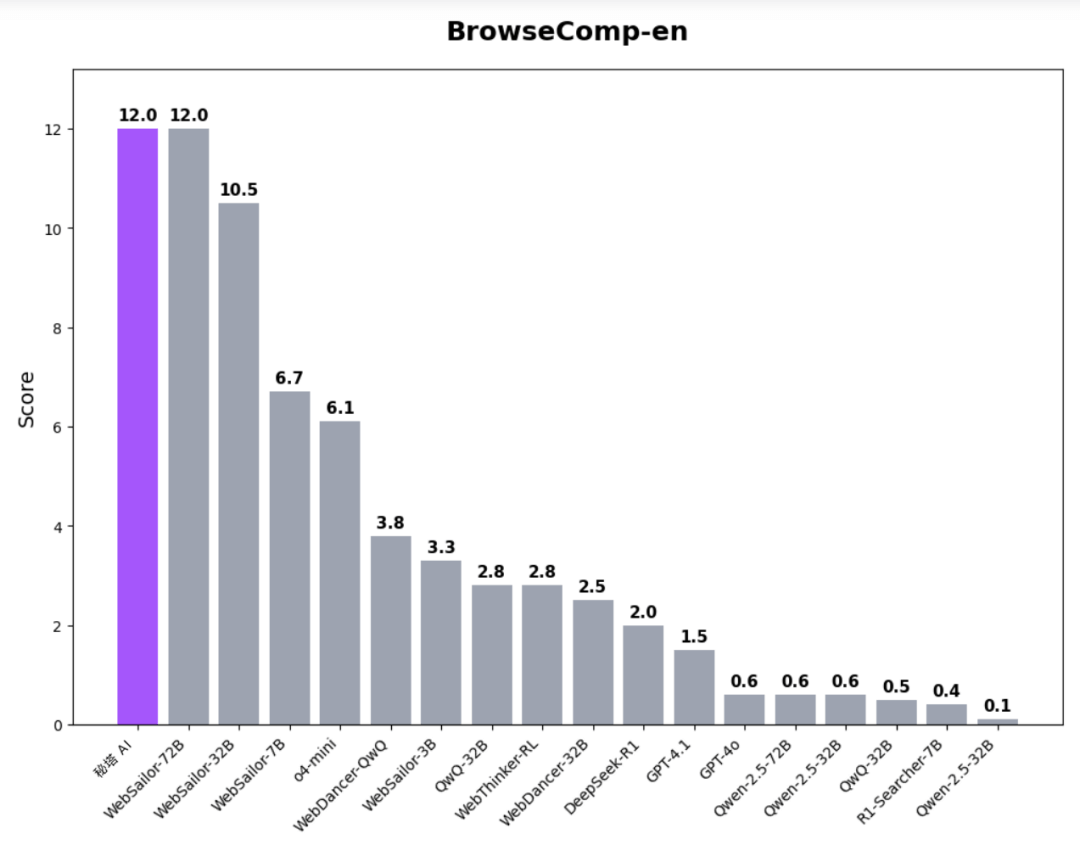
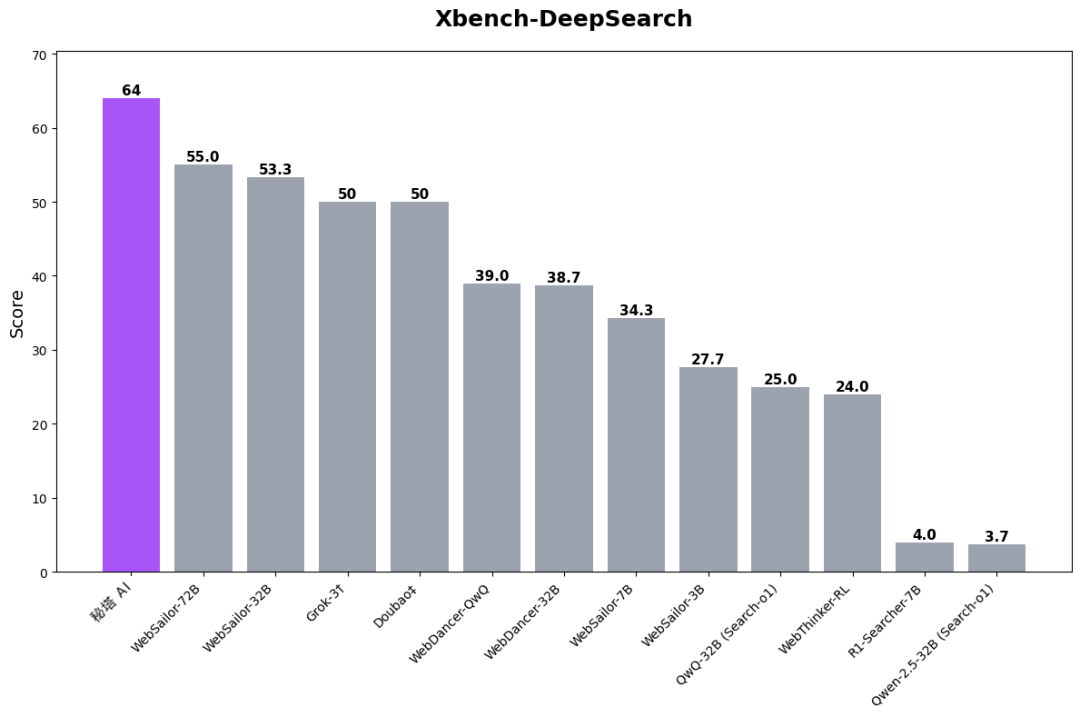
On benchmark sets like BrowseComp, Metaso AI took first place, with Chinese task scores even far surpassing strong models like DeepSeek-R1 and Alibaba's recently open-sourced WebSailor-72B.
In this article, K-jie will walk everyone through experiencing just how deep and how accurate Metaso's "Deep Research" can really be.
01. How do you use Deep Research?
Metaso's Deep Research is very simple to use. Open theMetaso AIofficial site and select "Deep Research" mode.
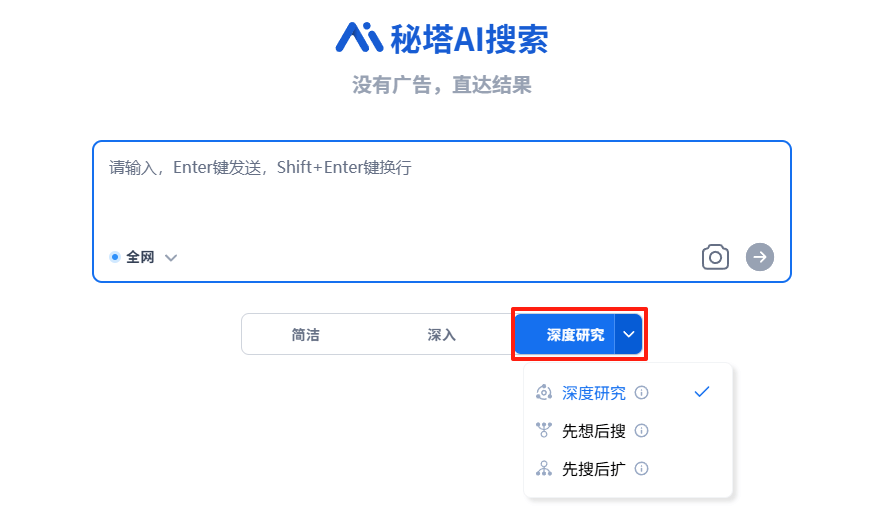
Enter the question or task description you want to research, click ➡️, and you can confidently leave the rest to it.
For example, with the recent big drama in the AI world—Google snatching Windsurf out from under them—we can use it to understand the full picture.
Ask directly: OpenAI originally wanted to acquire Windsurf, but Google beat them to it. What exactly happened here?
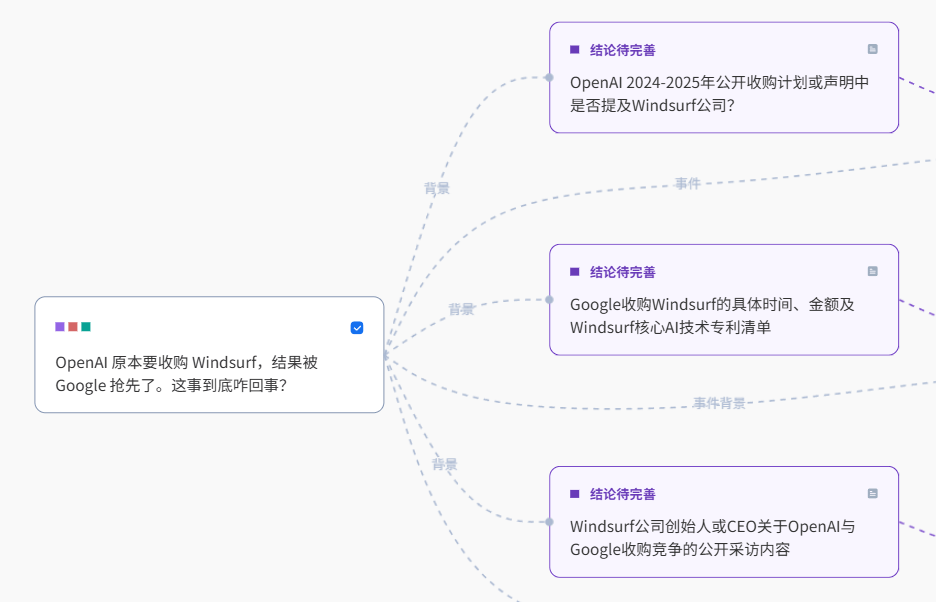
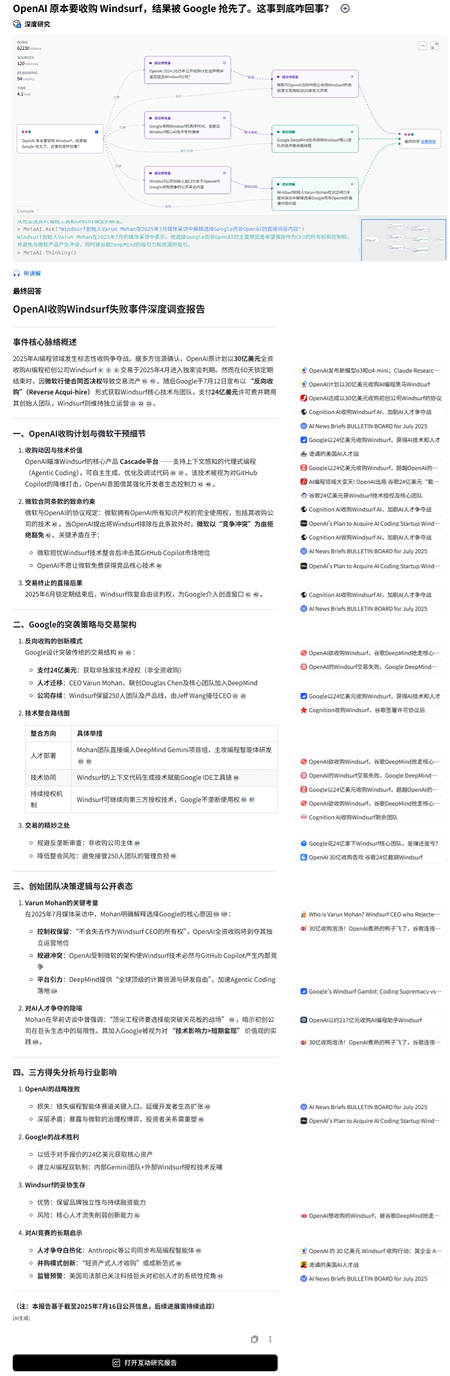
During Deep Research, Metaso provides a question chain. Compared to a Q&A mode, it feels more like it's thinking along with you, unfolding the question step by step.
It first breaks down our questionand begins sorting out background information, such as:
Did OpenAI's publicly disclosed acquisition plans or statements for 2024-2025 mention the company Windsurf?
The specific timing and amount of Google's acquisition of Windsurf, and a list of Windsurf's core AI technology patents;
Public interview content from Windsurf's founder or CEO regarding the acquisition competition between OpenAI and Google;
Then conduct deeper, more specific research:
The original text of the clause in the Microsoft-OpenAI contract that blocks the acquisition of Windsurf, and Microsoft's 2025 official statement;
Google DeepMind's technology integration roadmap for the reverse acquisition of Windsurf's core team;
The direct Q&A content in which Windsurf founder Varun Mohan explained in a July 2025 media interview why he chose Google over OpenAI;
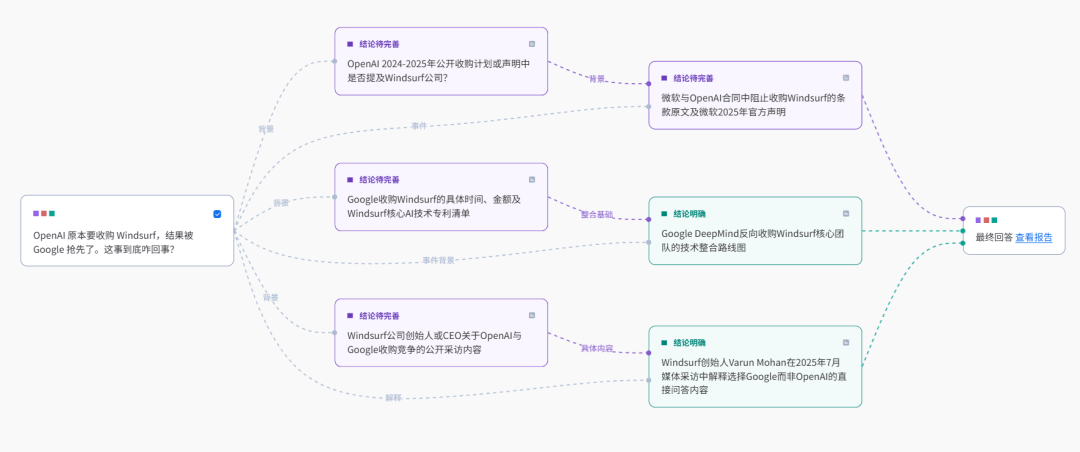
What impressed me most was that it diverges the question chain. Each small node is first summarized into a conclusion, and clicking it expands to show more specific content and all information sources.
Moreover, it verifies whether each thinking node has a "clear conclusion." When the collected information is insufficient to reach a clear conclusion, it will mark it as "conclusion pending improvement," which is much better than just making up an answer for me.
Finally, it organizes these fragmented pieces of information into a complete deep research report, including:
The complete question chain;
A written report;
Information sources;
It's worth mentioning that Metaso comes with source management functionality.
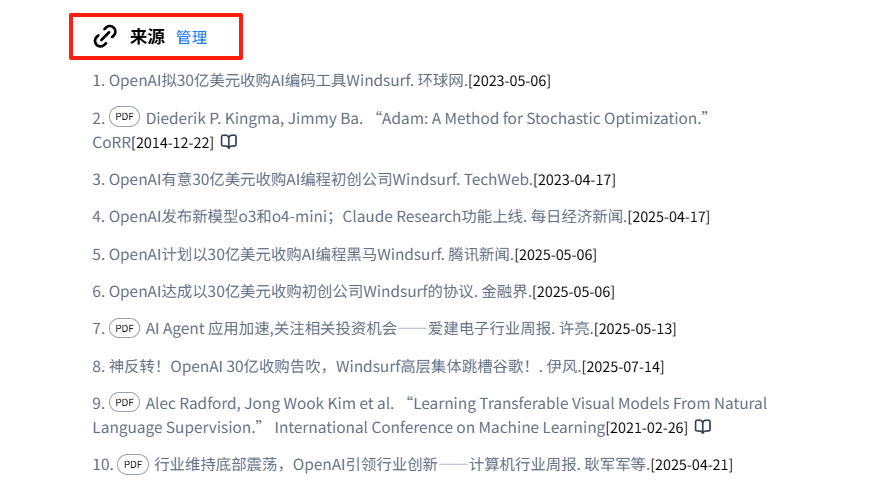
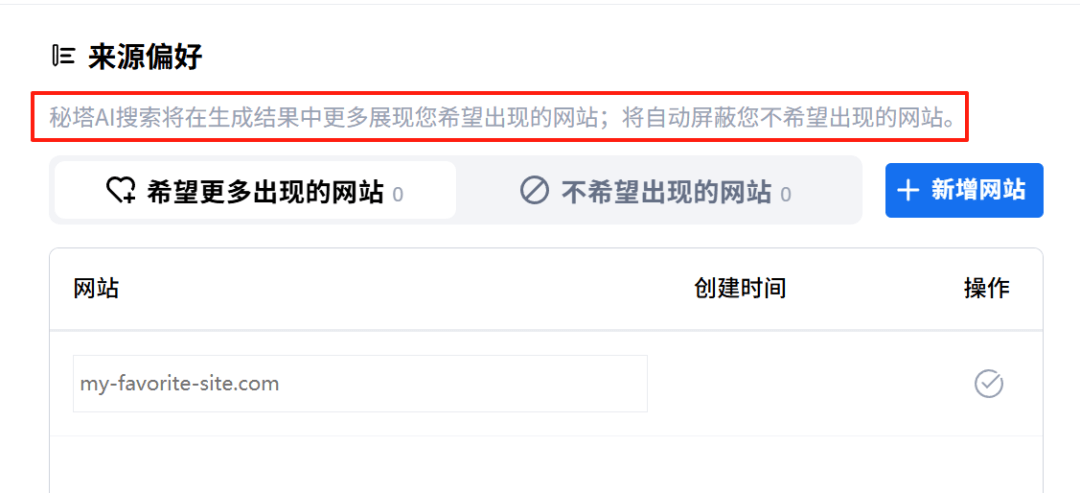
In the past, when doing research ourselves, we relied on experience to judge that sites like .gov, .edu, .org, etc. were more authoritative and that their information was more objective and reliable. Now, Metaso has also learned "where you like to get information from."
We can manually set information source preferences, and based on our settings, it will show more/block content from certain websites in the generated results.
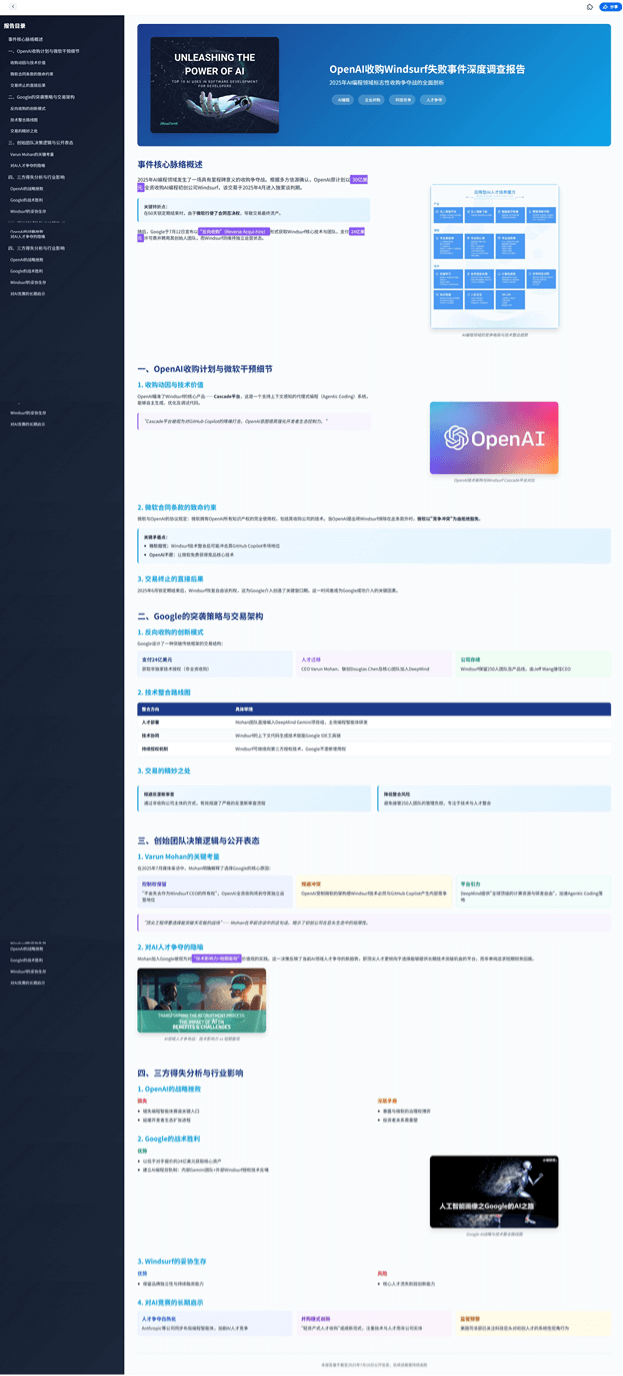
We can also have it continue generating an interactive research report.
We can also continue to ask follow-up questions to learn more about related content.

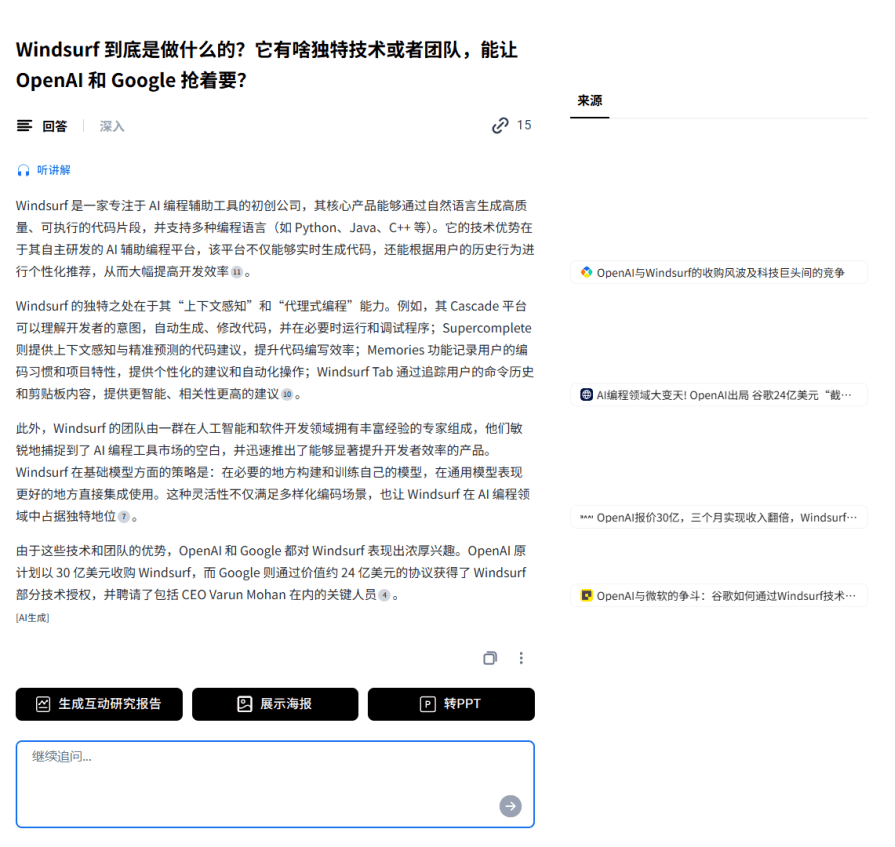
For example, what exactly does Windsurf do? What unique technology or team does it have that makes OpenAI and Google eager to acquire it?
The regenerated answer supports one-click conversion into interactive research reports, posters, and PPTs.
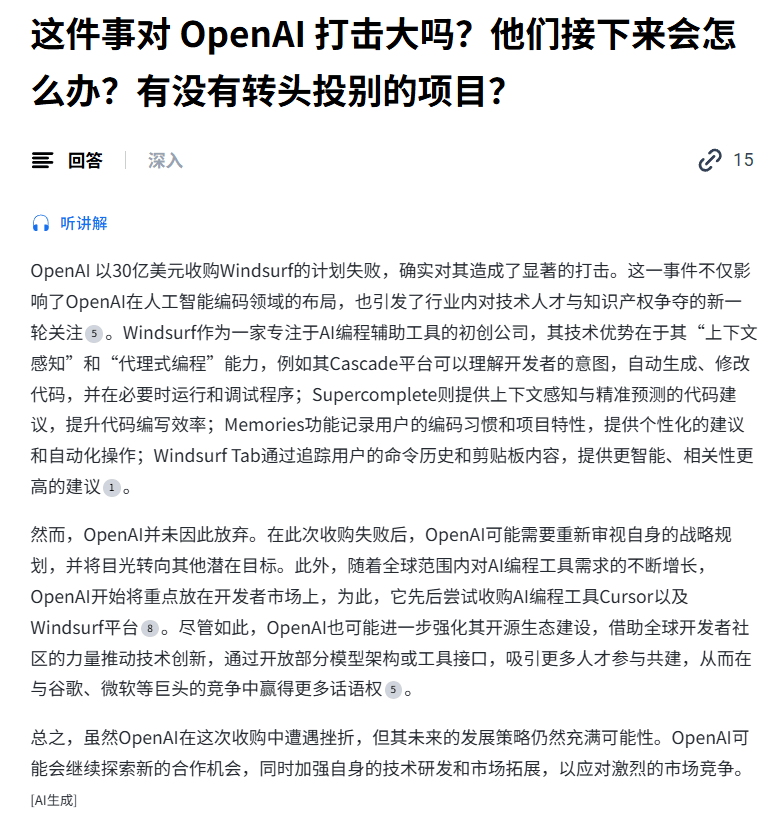
We can also continue to ask follow-up questions to see whether this is a big blow to OpenAI. What will they do next? Have they turned to invest in other projects?
Original case text:https://metaso.cn/s/ZF58hHF
02. Content classification understands you better
Mita can set the search scope, including the whole web, document library, academic, and video scopes.
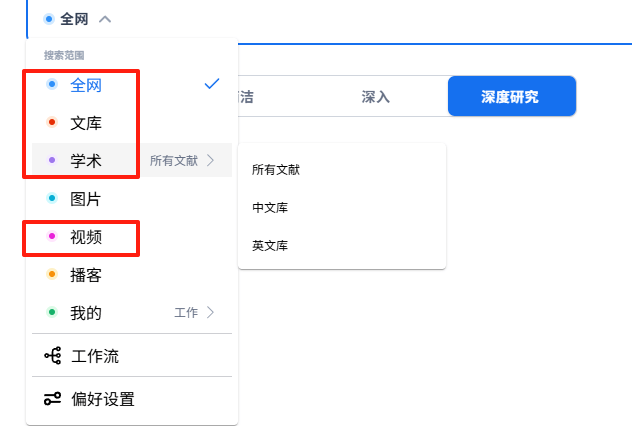
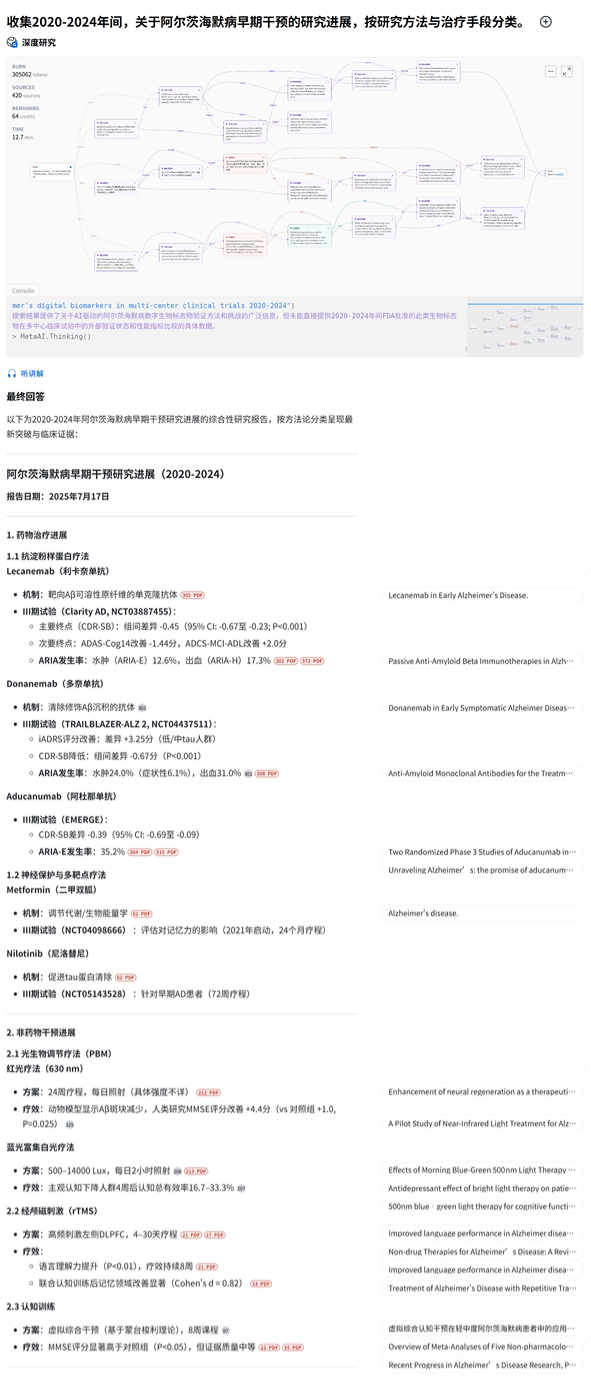
Unlike ordinary search, which indiscriminately "scrapes the whole web," Mita lets you choose the type of information source in advance. If we want to assist with professional academic research, we can set the search scope to academic.
Prompt: For example, collect research progress from 2020-2024 onAlzheimer's diseaseearly intervention, classified by research methods and treatment approaches.
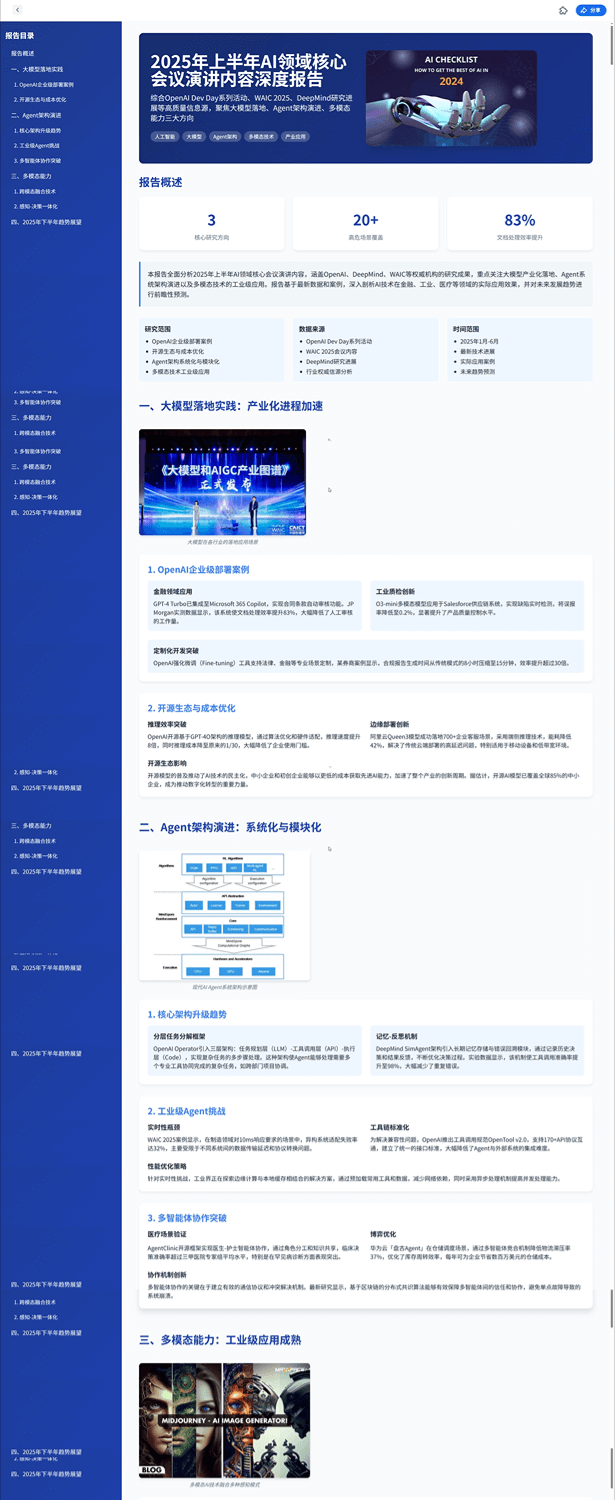
It can conduct in-depth research on video content and generate cool visual reports.
Prompt: Please organize high-quality speech content about AI development in the first half of 2025, including core viewpoints from conferences such as OpenAI Dev Day, WAIC 2025,DeepMind Research Day, etc., focusing on topics such as large model deployment, Agent evolution, and multimodal capabilities, distilling the essence of the speeches and outputting a summary.
03. Some sharing
Overall, after using it, the most intuitive feeling is: Mita's in-depth research is like a reliable partner. It does not just search for information in a single way; it is more like it has learned to think and participates in the entire research process, following the trail and gradually breaking down the problem.
Like me, I usually do self-media, with tight topics and mixed information, and searching for information myself easily falls into a search black hole. Now I directly open Mita's in-depth research. It not only saves steps, but also often throws me some unexpectedly good ideas.
To put it plainly, what it fills in is the link of "thinking." In an era where there is more and more information and less and less time, this kind of AI capability is really too practical.
If you often need to do research, write reports, and prepare content, I highly recommend trying this feature. People who can use it well will really be much faster and much more accurate.
Original link:Mita launches in-depth research, paid-level feature公开 for free