
The MIT report "The GenAI Divide: The State of AI in Business 2025," based on over 300 AI projects, interviews with 52 organizations, and a survey of 153 executives, reveals a core contradiction: enterprises have extremely high enthusiasm for generative AI (GenAI) and invest heavily, yet the vast majority (95%) cannot translate it into genuine business value and transformation. The enormous gap between widespread failure and a small number of notable successes is defined by the report as "The GenAI Divide." The report systematically analyzes the causes and manifestations of the divide, providing a clear roadmap for how organizations (buyers) and vendors (builders) can bridge this divide.

Get the "The GenAI Divide: The State of AI in Business 2025" report PDF original file. Scan the QR code to follow and reply: 20250821
The Current State of the GenAI Divide
- High adoption, low transformation: Tools like ChatGPT are widely tried, but very few enterprise-level applications deeply integrate into core business processes and trigger genuine change. Most industries have not seen the expected structural disruption.
- The huge gap from pilot to production: The success rate of enterprise-customized AI tools from pilot to full deployment is extremely low (only 5%), and the vast majority of projects stall.
- Investment misallocation: Most funding flows to highly visible front-office functions (such as marketing), while the real return on investment (ROI) is hidden in the automation of back-office operations (such as finance and procurement).
- The prevalence of "shadow AI": 90% of employees privately use personal AI tools to complete work, with effectiveness and satisfaction far higher than enterprise officially procured systems, exposing the failure of formal projects.

The Root Causes of theGenAI Divide
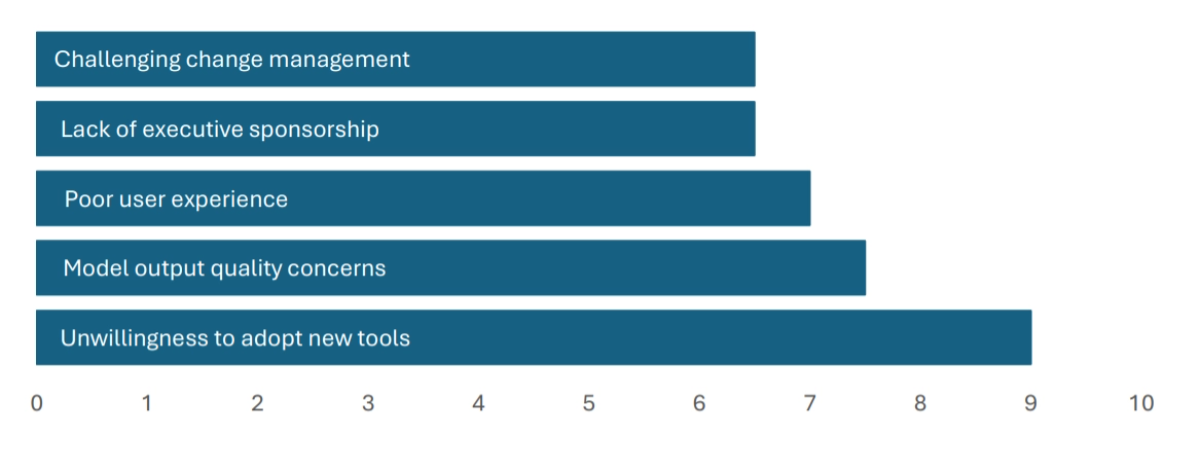
The report argues that the root cause of the divide is not technology, data, or regulation, but the "learning gap."
- Most existing enterprise AI tools cannot learn and adapt. They have no memory, cannot improve from feedback, cannot integrate into specific workflows, and require manual re-guidance every time, appearing very "clumsy."
- What users need is an intelligent partner that can accumulate knowledge and continuously evolve, not a tool that must be taught from scratch every time. This lack of capability is the core obstacle preventing most projects from scaling.
Solutions to Bridge the GenAI Divide
For AI vendors (builders):
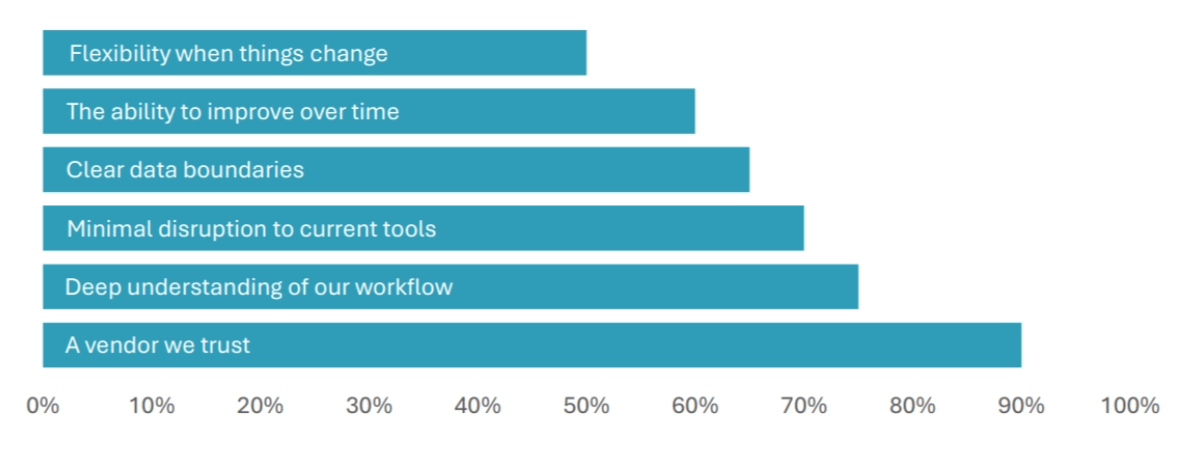
- Focus on depth rather than breadth: Do not build an all-purpose tool; focus on solving a narrow but high-value business pain point, and provide deep customization.
- Build systems with "memory": Develop Agentic AI with continuous learning capabilities and memory functions, so the system becomes smarter the more it is used.
- Leverage trusted channels: Building trust through partners, system integrators, and industry referrals is more effective than simply pitching product features.
For enterprises (buyers):
- Change procurement thinking: Do not buy AI like software; instead, procure it like a business service, requiring vendors to deeply customize and be accountable for business outcomes.
- Empower frontline business teams: Let the departments that best understand the business lead AI project selection and implementation, rather than having a central IT department handle everything.
- Target real ROI: Shift investment focus toward the automation of back-office functions, focusing on how to replace external outsourcing costs and agency fees, not reducing internal employees.
Future Outlook
- Agentic AI and the Agentic Web: The report predicts that the next wave of AI evolution will be the Agentic Web (an interconnected ecosystem composed of numerous AI systems capable of autonomously discovering, negotiating, and collaborating), which will fundamentally change the way enterprises operate.
- The Window for Crossing the GenAI Chasm: The window for crossing the GenAI chasm is closing. Success no longer belongs to companies with the most advanced models, but to organizations that can build systems that learn best and understand the business best. Enterprises must stop buying "stupid" static tools and instead choose intelligent partners that can co-evolve.
Get the "The Generative AI Chasm: The State of Business Artificial Intelligence in 2025" report PDF original file. Scan the QR code to follow and reply: 20250821